The short answer
There is no single number, because it depends on the material. Asphalt shingles often last a couple of decades, while metal and tile can run considerably longer. In Minnesota, freeze-thaw cycles, hail, ice dams and attic conditions can shorten any roof's life, so condition matters more than age.
On this page
Why the material matters most
Roof lifespan starts with what is on top of the house. Asphalt shingles are a very common choice, and they often last a couple of decades, sometimes a bit less or more depending on the product and conditions. Metal roofing, clay or concrete tile and slate can last considerably longer, though they typically cost more to install.
Treat any range you read as a rough guide. The same shingle can age very differently on two houses on the same street, because sun exposure, roof slope, trees and attic conditions all play a part.
What Minnesota weather does to a roof
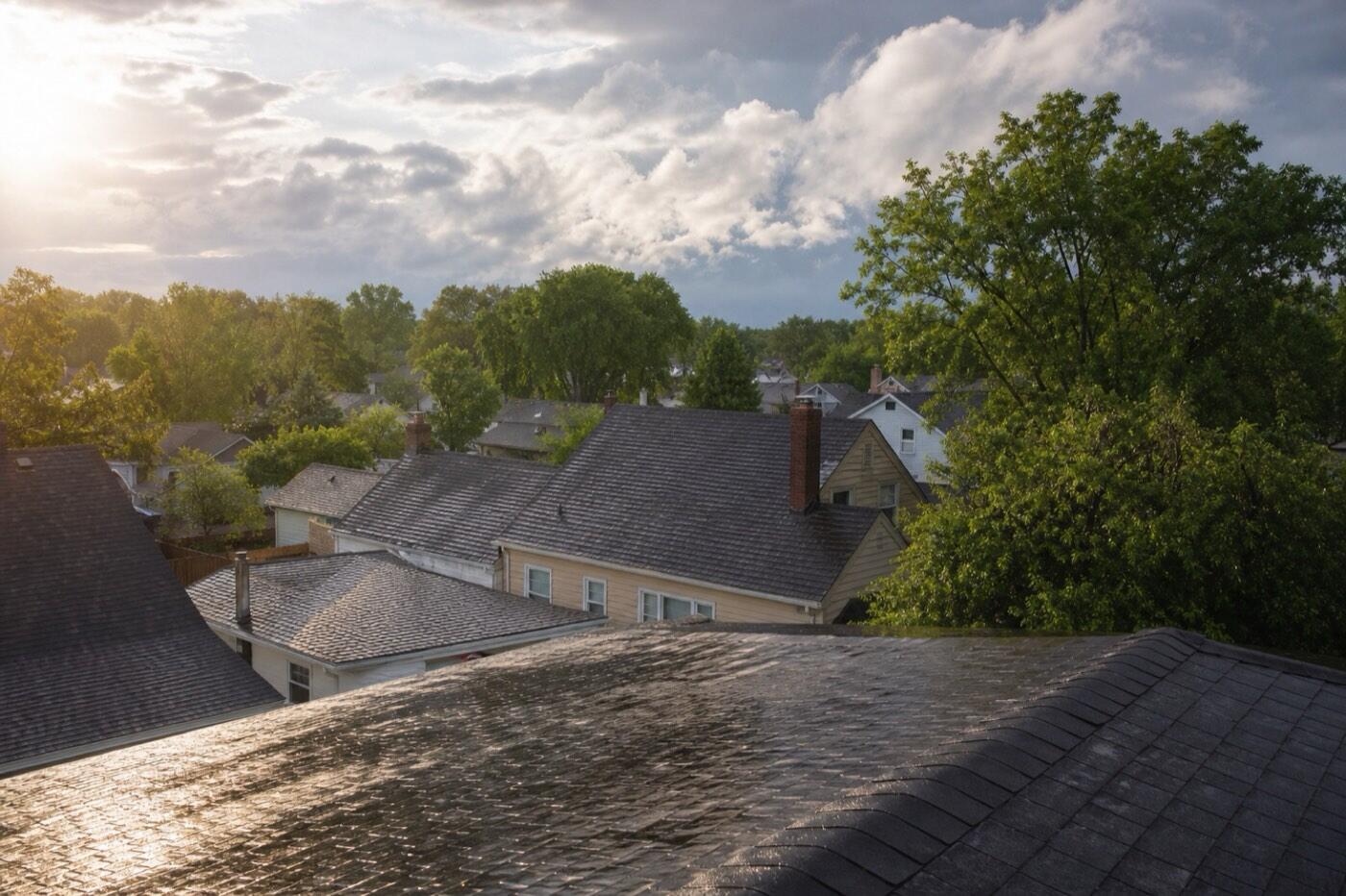
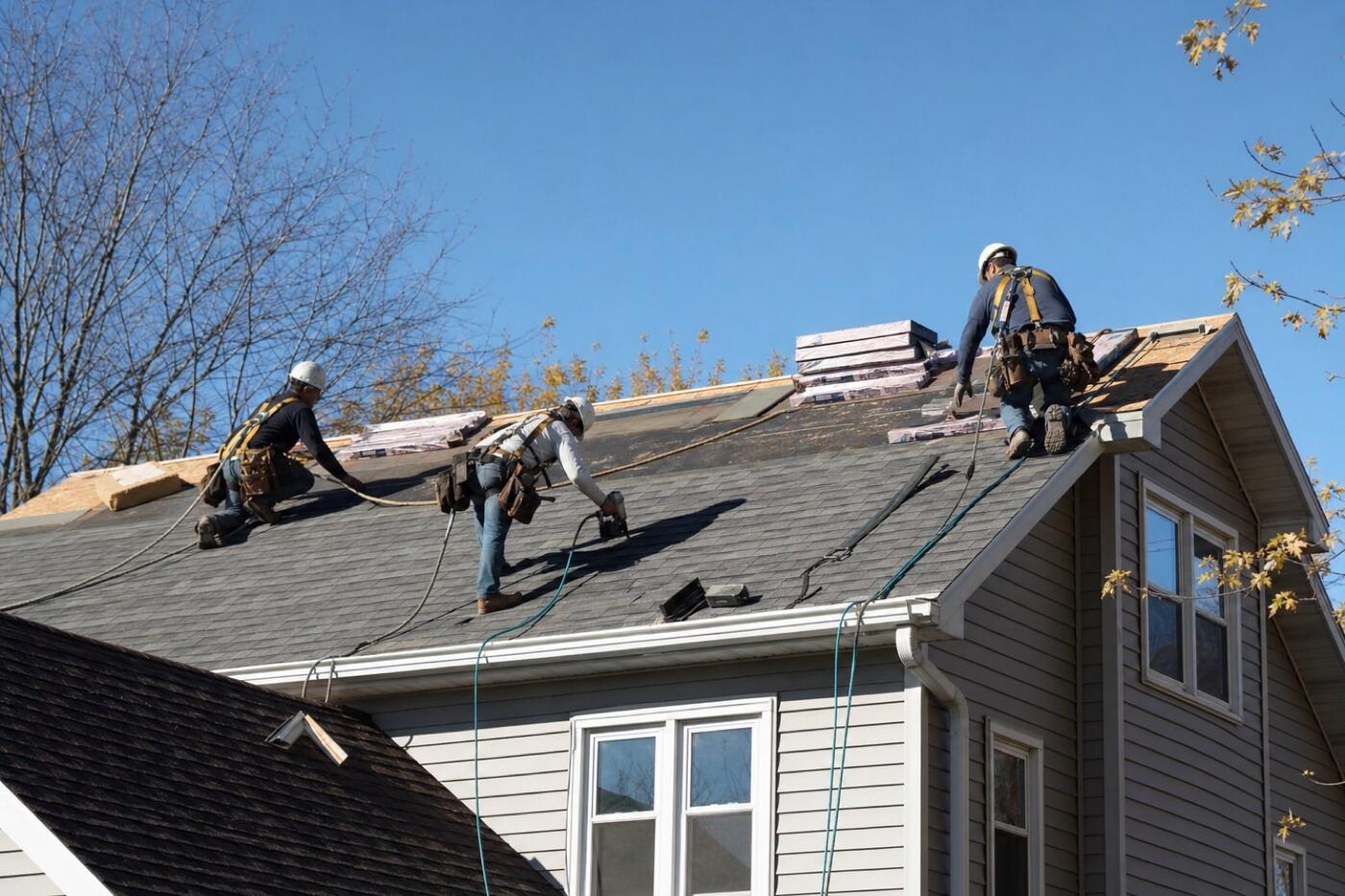
Rochester roofs deal with a wide swing of conditions. Winter cold and summer heat make roofing materials expand and contract, and repeated freeze-thaw cycles can open small cracks and loosen fasteners over time. Snow and ice add weight and can work moisture under shingles.
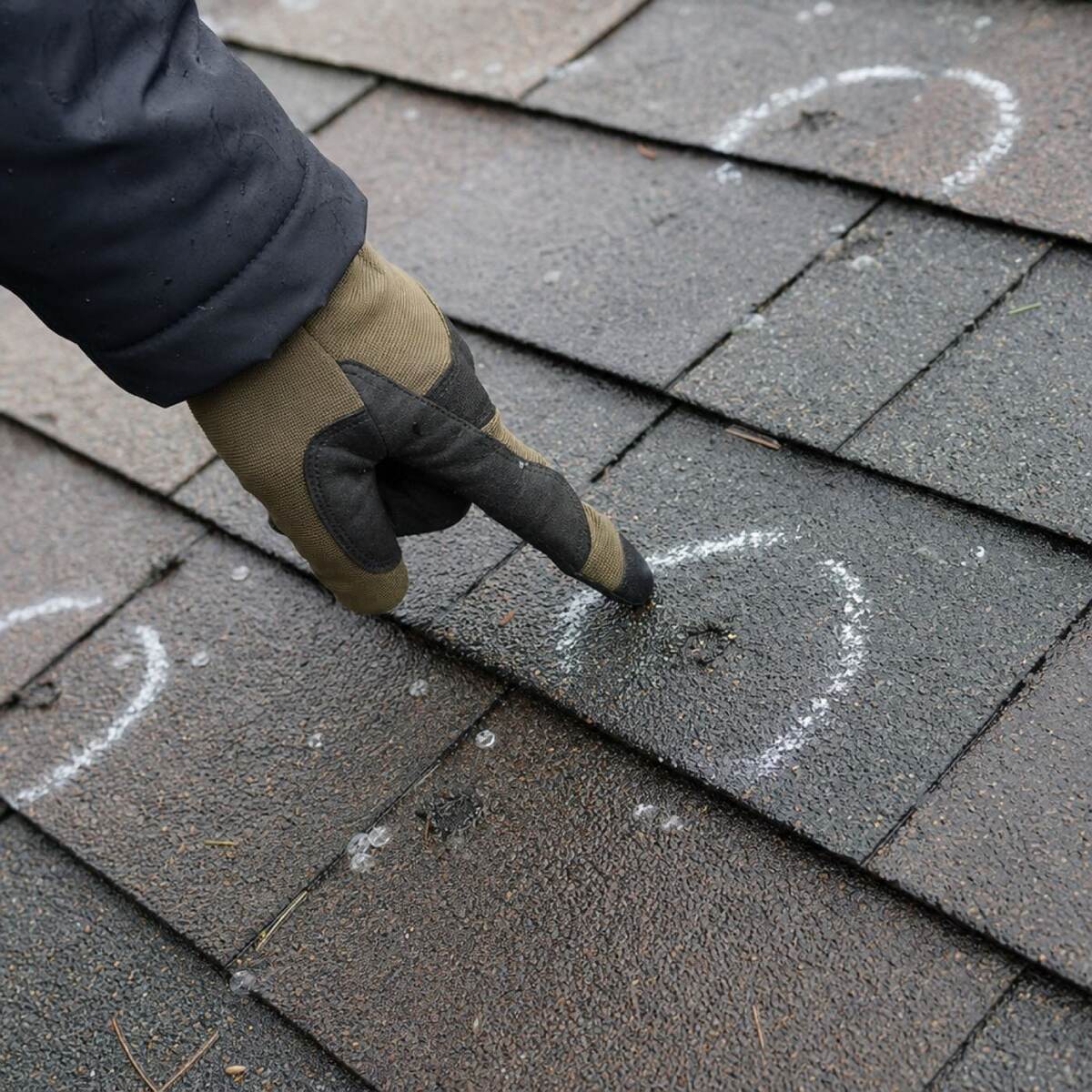
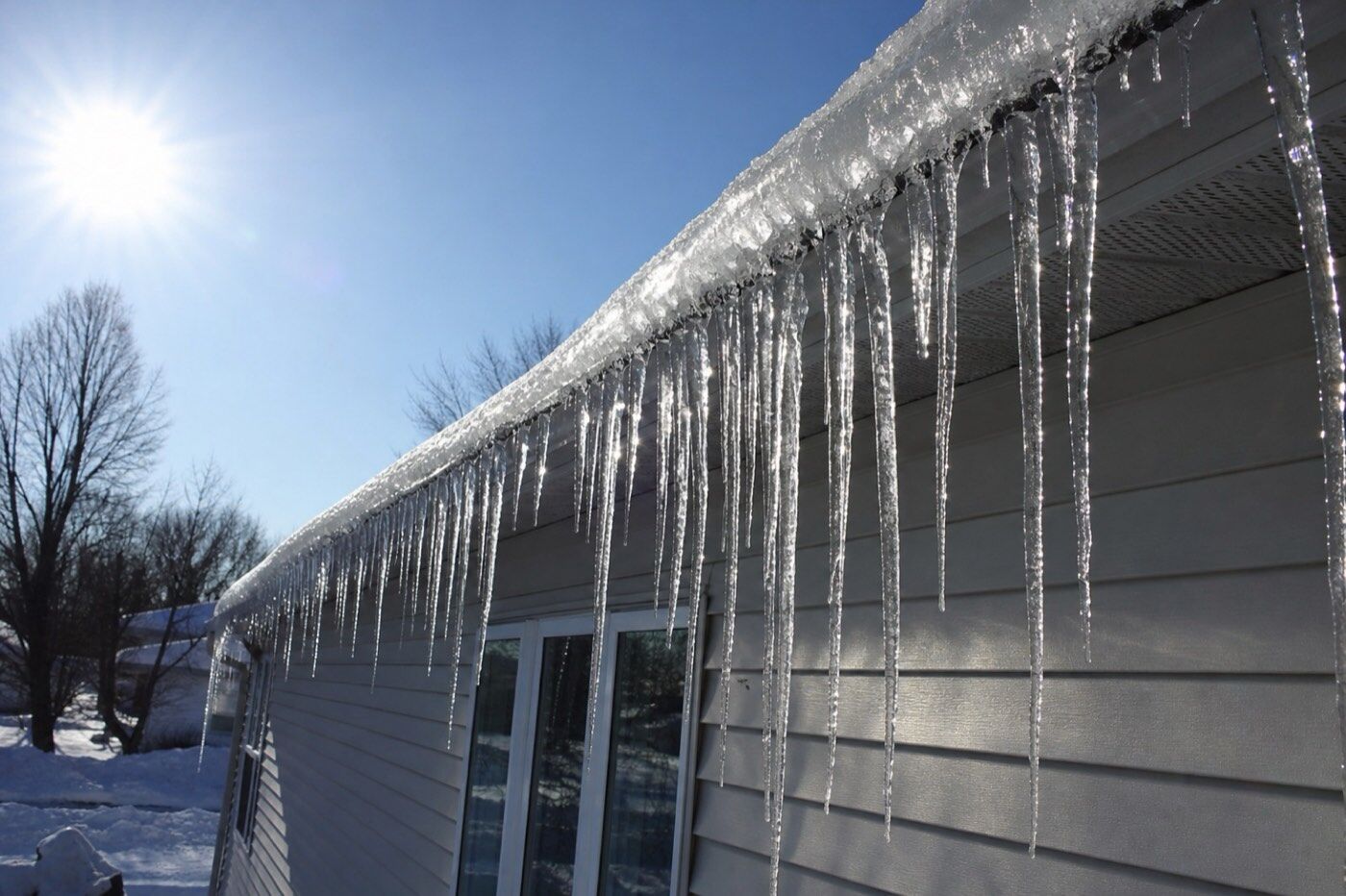
Hail is another wear factor. Even small stones can bruise shingles and strip granules, which shortens their useful life. Ice dams, which form when melting snow refreezes at the eaves, can push water under roofing and rot the decking below. The articles on ice dams and hail damage go into both in more detail.
Sun matters as well. Ultraviolet light dries out the oils in asphalt over the years, and south- and west-facing slopes usually show wear first. Dark roofs run hotter in summer, which adds to the stress of the daily temperature swing.
What you can influence: attic, installation and upkeep
A roof is a system, not just a surface. Good ventilation lets heat and moisture leave the attic, and enough insulation keeps warm house air from melting snow on the roof deck. Both reduce ice dams and slow the baking of shingles from below.
Installation quality matters just as much. Flashing around chimneys, vents and valleys, proper underlayment and correct fastening are common places where shortcuts show up years later as leaks. Routine upkeep helps too: clear gutters, trim overhanging branches, remove debris from valleys, and look over the roof after severe storms. Small repairs made early, such as resealing a lifted flashing or replacing a few damaged shingles, often keep minor problems from turning into decking damage.
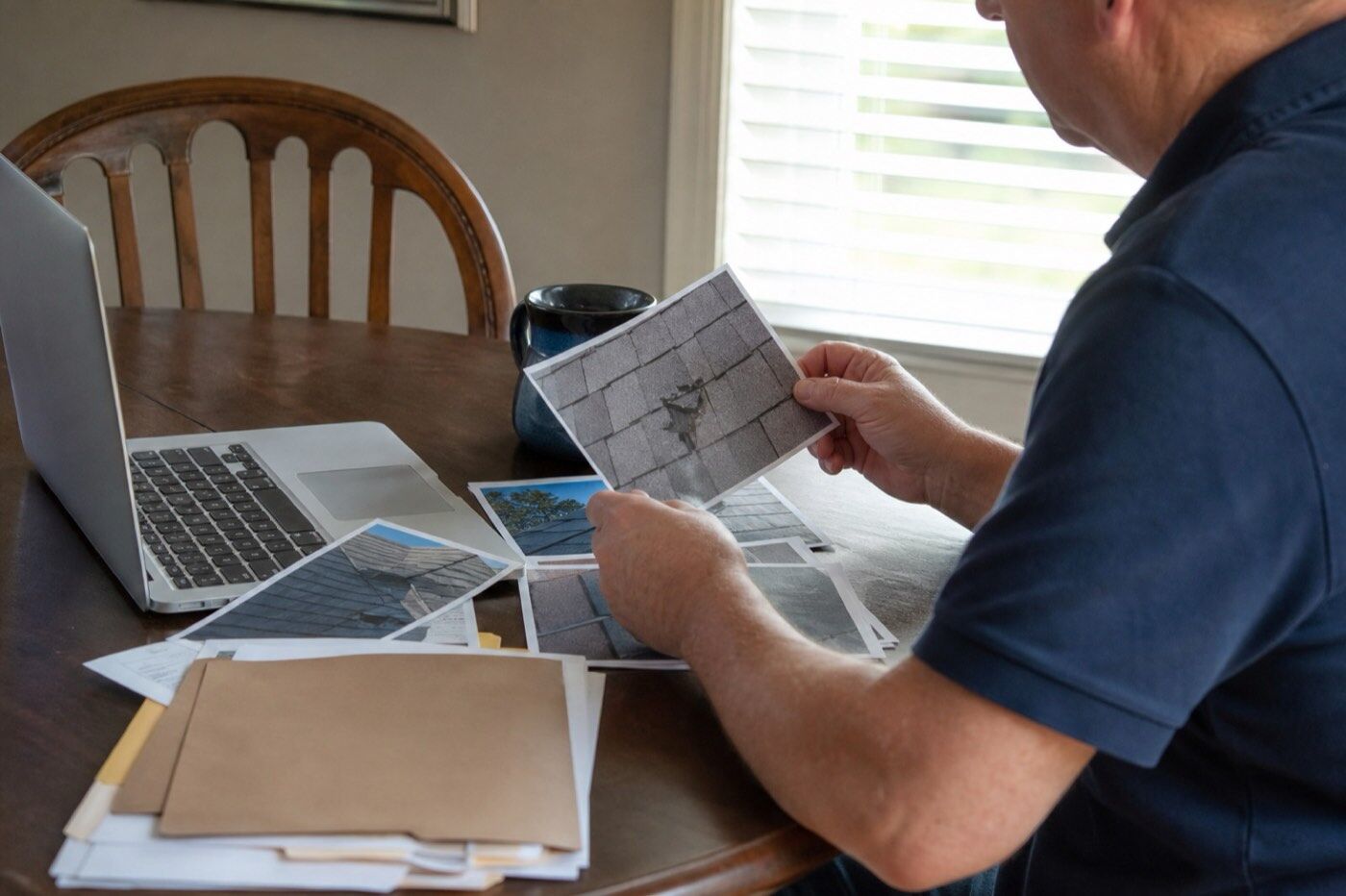
It also helps to keep a simple record of when the roof was installed, what material it is and any repairs since. That history makes it much easier to judge condition later, whether you are planning ahead, selling the house or filing a storm claim.
Signs a roof is nearing the end
Shingles that curl, cup, crack or go missing are a clear warning. So are bald spots where granules have worn off and a lot of grit in the gutters or at the downspouts. Moss or algae, sagging areas and exposed nails can also point to trouble.
From inside, check the attic for daylight, dark stains on the underside of the decking, damp insulation or musty smells. Ceiling stains after rain or snowmelt mean water is getting in. If you see several of these signs, read about how to decide between repair and replacement, and have a local roofing pro take a look.
Want a local pro to take a look? Request a quote and add a photo. Quotes provided by our network of licensed, insured local contractors to get you top quality at a fair price.
Related service: Roof replacement in Rochester, MN. Browse the towns we cover or all roofing guides.