The short answer
Repair often makes sense when damage is limited to a small area and the rest of the roof is sound. Replacement is worth weighing when the roof is near the end of its typical lifespan, leaks appear in several places, or shingles are curling, missing or worn across large areas. A written estimate comparing both helps.
On this page
Age compared with typical lifespan
Every roofing material has a typical lifespan, and local weather, sun exposure, ventilation and installation quality all move that number up or down. Compare your roof's age with the typical range for its material. Our article on how long a roof lasts in Minnesota covers what affects it.
A roof well inside its typical range is a good candidate for repair. One at or past the end of it tends to keep needing attention, and each repair may only delay a bigger job.
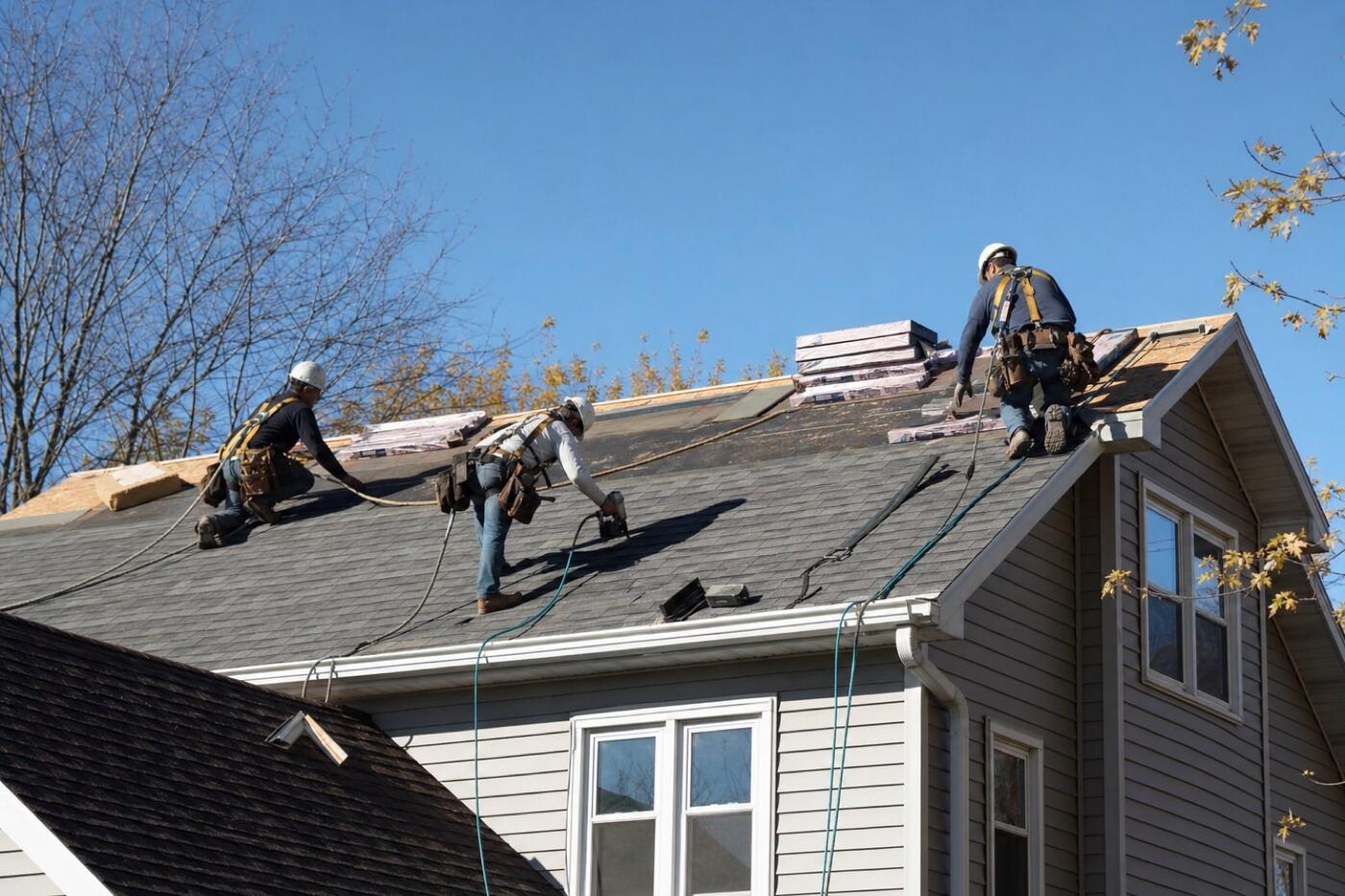
How much of the roof is affected
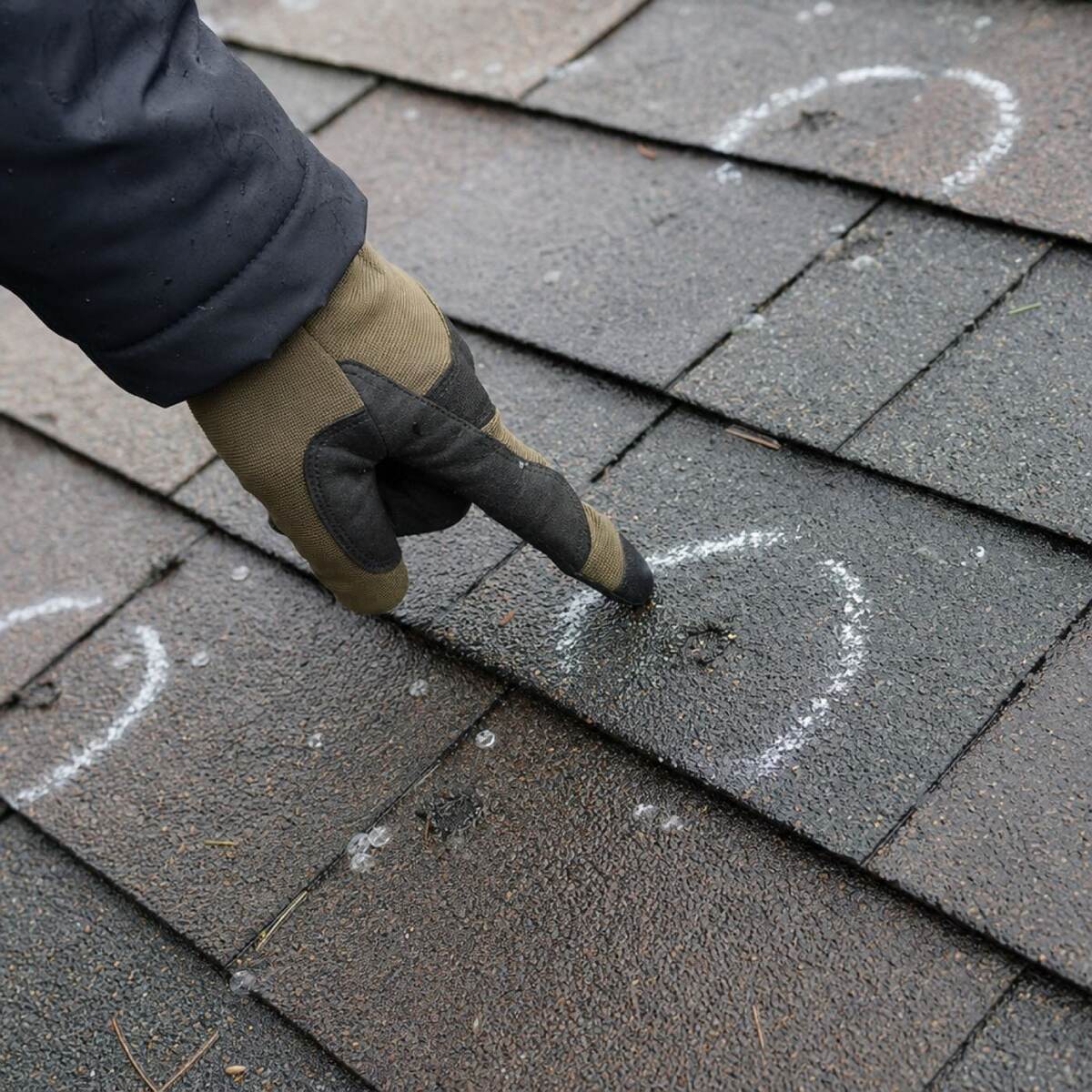
Damage that stays in one spot, such as a few lifted shingles or a worn patch of flashing around a vent, is usually a repair question. Problems spread across a slope or the whole roof point more toward replacement.
Leaks in several places are a strong sign to look wider. Several leaks can mean the roof as a whole is failing, not that each leak has its own separate cause. Stains on ceilings, damp insulation and daylight in the attic are clues worth noting and photographing.
Curling, cupped, cracked or missing shingles, and bare patches where granules have worn away, suggest the surface is losing its ability to shed water. A few of them may be repairable. Widespread ones usually are not.
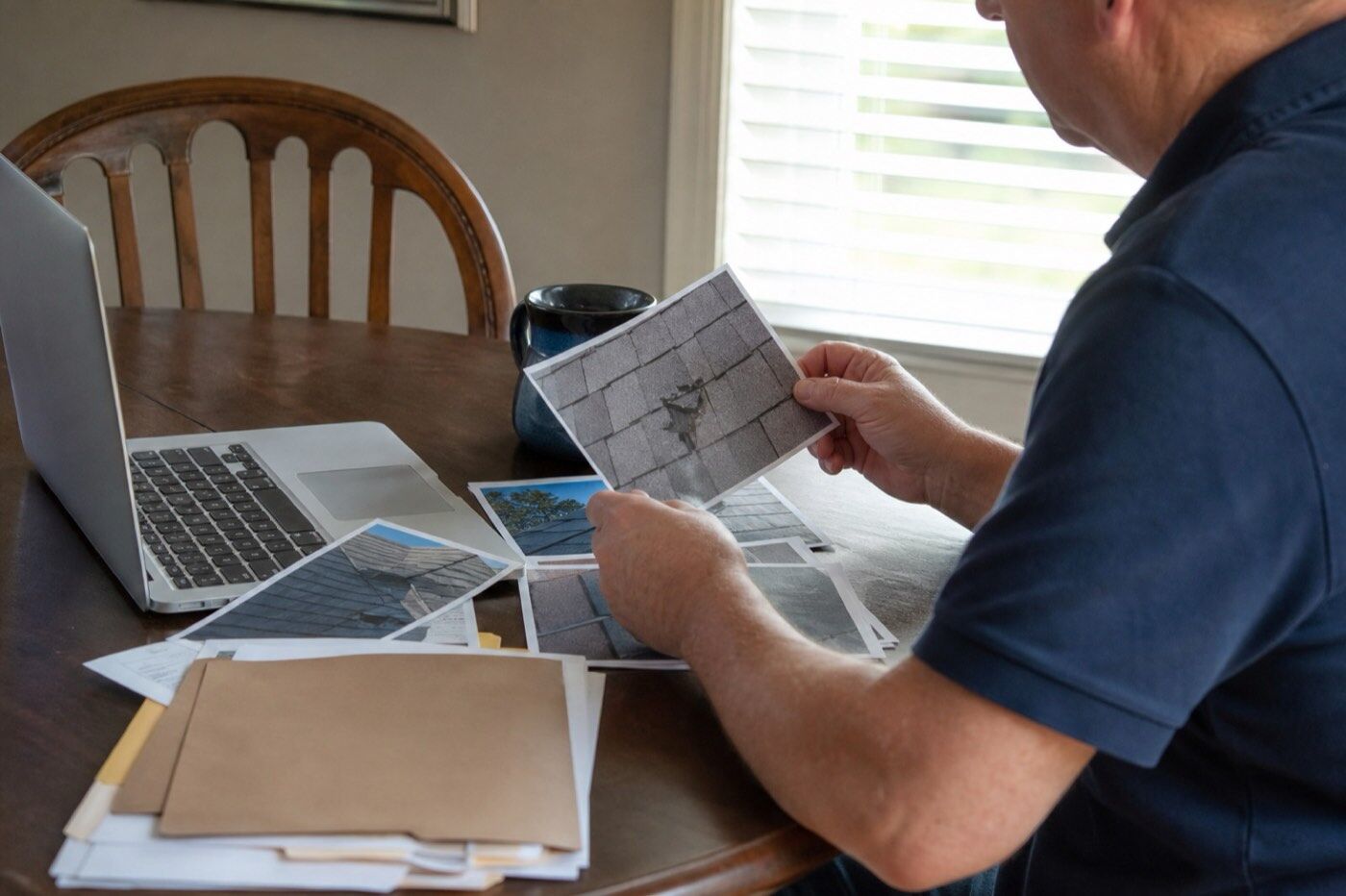
Keep a simple record of every repair. Note the date, the spot on the roof, what was done and who did it, and tuck any paperwork into one folder. Photograph each problem area from the ground before and after the work, and take a wider shot of the whole slope so the location is clear. Once you have a few entries, you can see whether problems keep returning in the same place or are spreading, and that pattern is one of the most useful things to show a roofing pro when you ask about your options.
What is under the shingles, and how the roof breathes
The roof deck is the wood layer that the shingles attach to. If it is soft, sagging or stained from long-term moisture, replacing the surface is not enough, and the deck work becomes part of the job. A roofing pro can often judge this from the attic, and more fully once shingles are off.
Ventilation matters too. A poorly ventilated attic holds heat and moisture, which can age shingles early and feed ice dams in winter. If ventilation is part of the problem, repairing the shingles alone will not fix the cause.
Plans, timing and getting a written estimate
Think about how long you plan to stay. If you intend to sell soon, a tidy repair might be enough, or a buyer may expect a newer roof. If you plan to stay, a repair that only buys a short stretch may be less attractive than a full replacement.
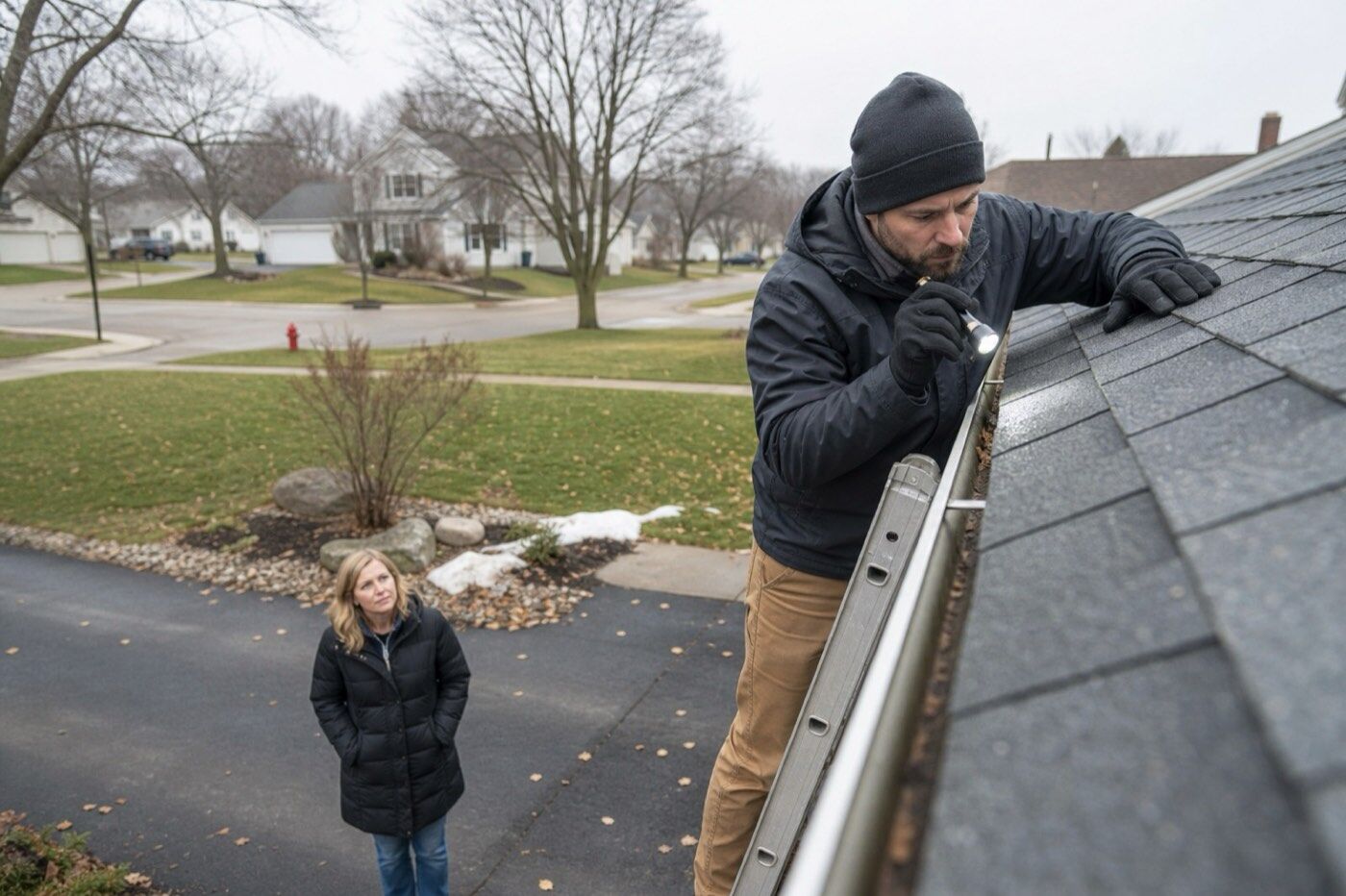
Ask a local roofing pro for a written estimate that lays out both options side by side: what a repair would cover, what a replacement would include, and what each leaves out. A written comparison lets you see the difference and ask questions. If storm damage is involved, also talk to your insurer before any work begins.
Want a local pro to take a look? Request a quote and add a photo. Quotes provided by our network of licensed, insured local contractors to get you top quality at a fair price.
Related service: Roof repair in Rochester, MN. Browse the towns we cover or all roofing guides.