The short answer
Ice and water shield is a sticky, self-sealing membrane installed under shingles at the eaves, in valleys and around roof openings. It helps stop meltwater from leaking in when ice dams form. In cold climates like Minnesota it is a common and often required part of a roof system.
On this page
What ice and water shield is
It is a rubberized, self-adhering underlayment. One side sticks to the roof deck, and the material seals tightly around nails driven through it. That sealing action is what sets it apart from ordinary felt or synthetic underlayment.
It goes under the shingles, so you never see it once the roof is finished. Its job is to be a second line of defense if water gets past the shingles.
Where it goes on a roof
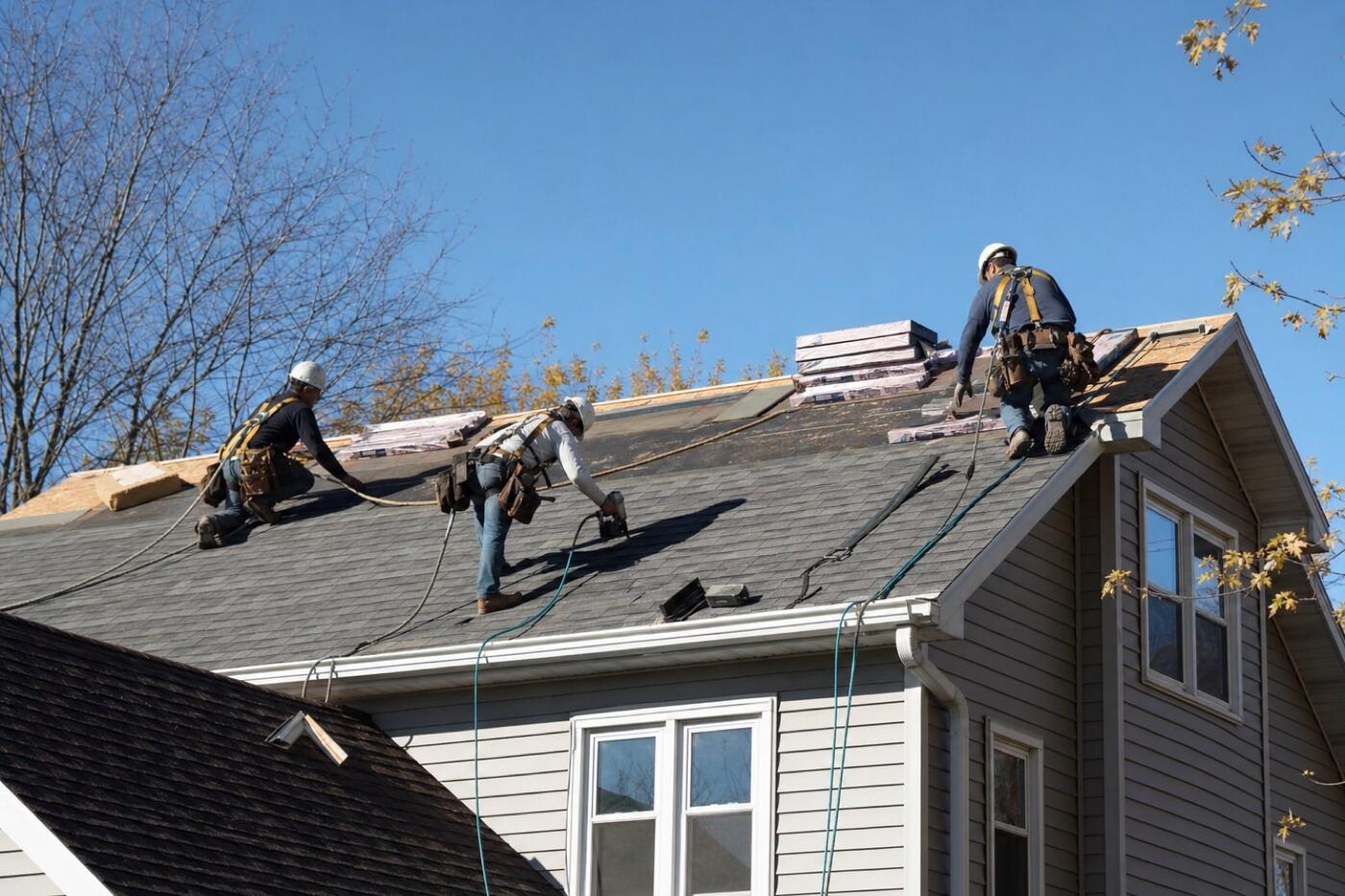
The most common spots are along the eaves, where ice dams form, and in valleys, where water runs fast and collects. It is also used around chimneys, skylights, vent pipes and other places where the roof is cut open.
Some homeowners ask for it over a larger area, such as the whole roof deck on low-slope sections. A local roofing pro can tell you what makes sense for your roof shape.
Why it matters for ice dams
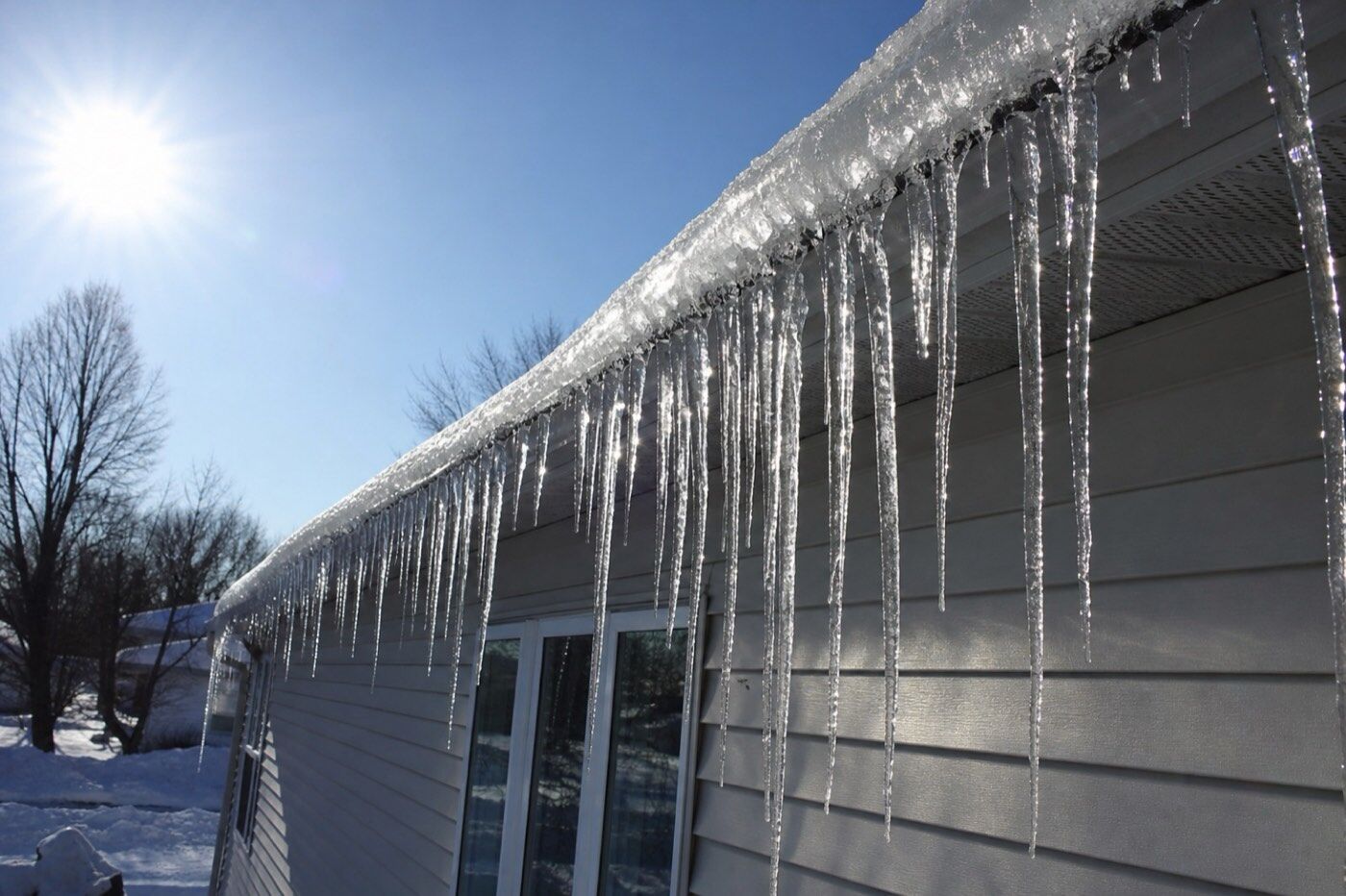
An ice dam traps meltwater behind a ridge of ice at the roof edge. That pooled water can creep upward under shingles, which are built to shed rain and not to hold standing water. Without a barrier, it can reach the deck and drip into the house.
The membrane gives that water nowhere to go. It does not stop ice dams from forming. Good attic insulation and ventilation address the cause, and the membrane limits the damage if one forms anyway.
Is it required by code?
Local building codes often require ice barrier at the eaves in cold climates. Your roofing pro or city permit office can confirm what applies to your home.
Even where it is not required, it is worth asking about on an older home that has had ice dam leaks. Make sure it is listed on the written quote so you know it is included.
Want a local pro to take a look? Request a quote and add a photo. Quotes provided by our network of licensed, insured local contractors to get you top quality at a fair price.
Related service: Roof replacement in Rochester, MN. Browse the towns we cover or all roofing guides.