The short answer
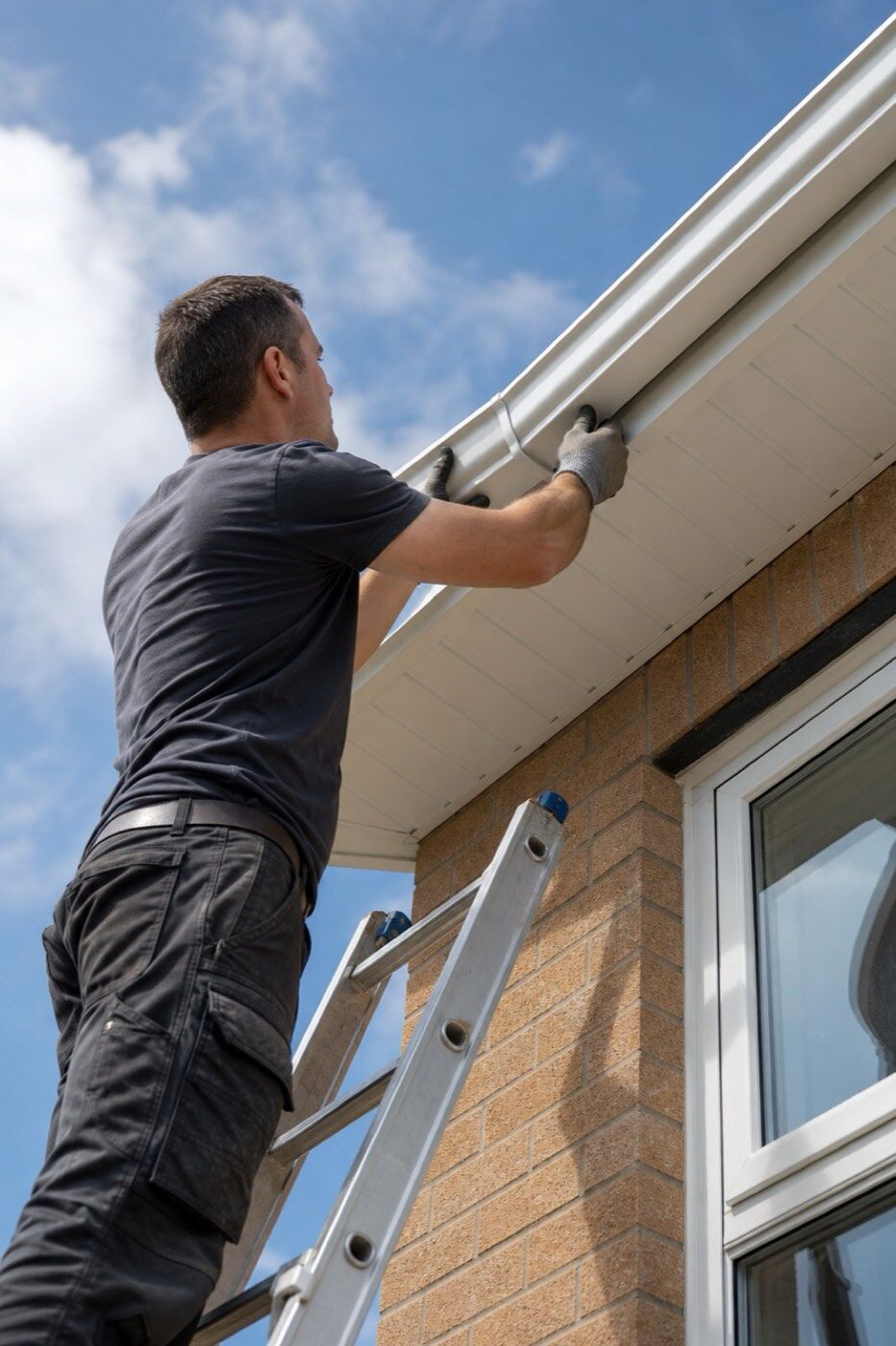
Adequate attic ventilation means fresh air enters at the eaves and warm, moist air leaves near the ridge, so the attic stays close to outdoor temperature year-round. Warning signs include frost or damp on the roof deck in winter, a musty smell, and a very hot attic in summer. A local roofing pro can confirm it.
On this page
Why attic ventilation matters in Minnesota
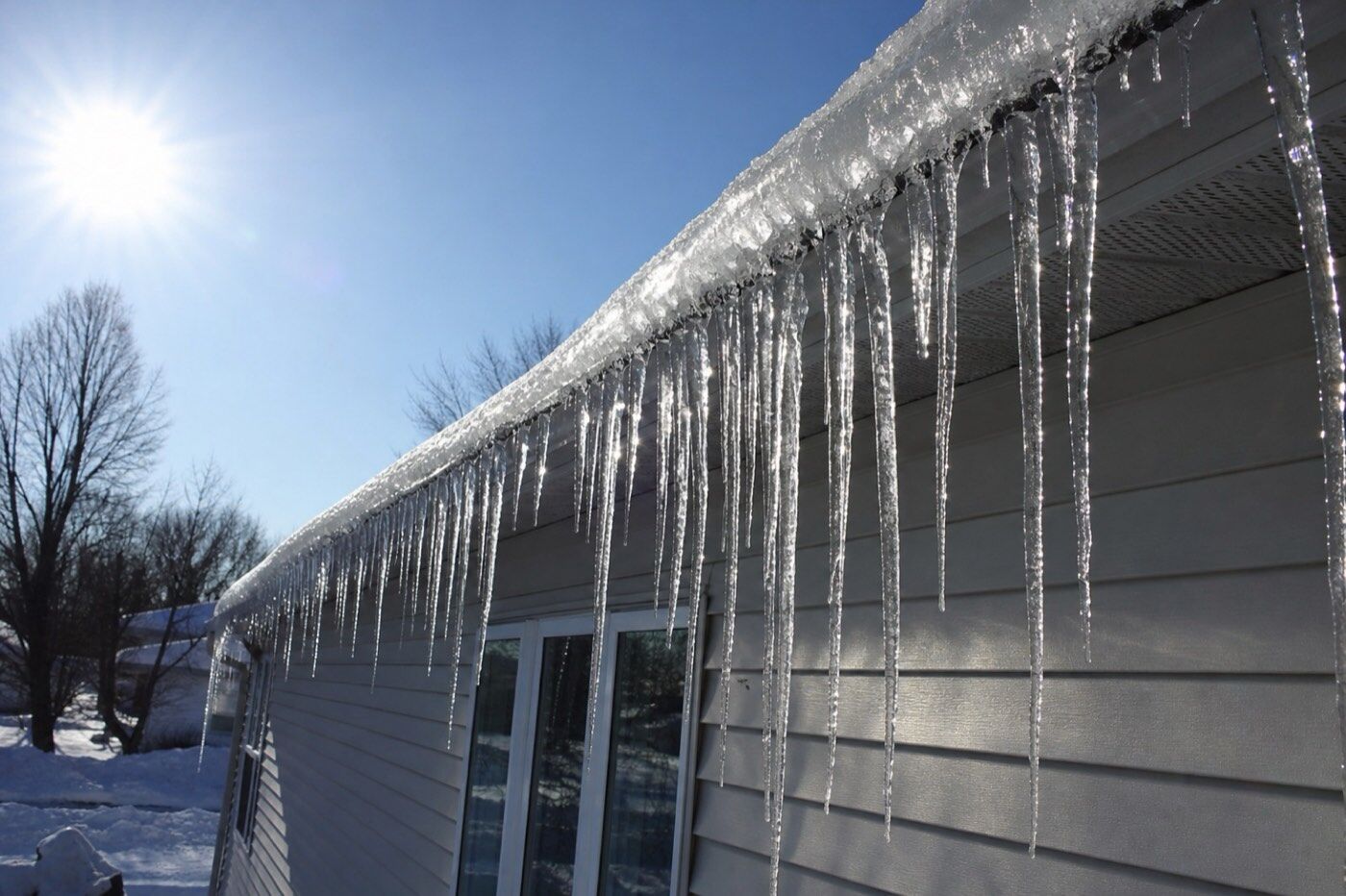
A roof needs to breathe in every season. In winter, warm air from the living space leaks into the attic and carries moisture with it. Moving air carries that moisture out before it can settle on cold wood. Moving air also keeps the roof deck cold, which helps stop the melting that leads to ice dams.
In summer, the sun heats the shingles and the attic below them. Without airflow, heat builds up and cooks the roof deck from underneath. Over the years, that can age shingles faster and make the upper floor harder to cool.
Ventilation does not replace air sealing and insulation. It works alongside them. If a lot of warm air is leaking up from the house, even a well-vented attic can struggle.
Signs your attic may not be ventilated well
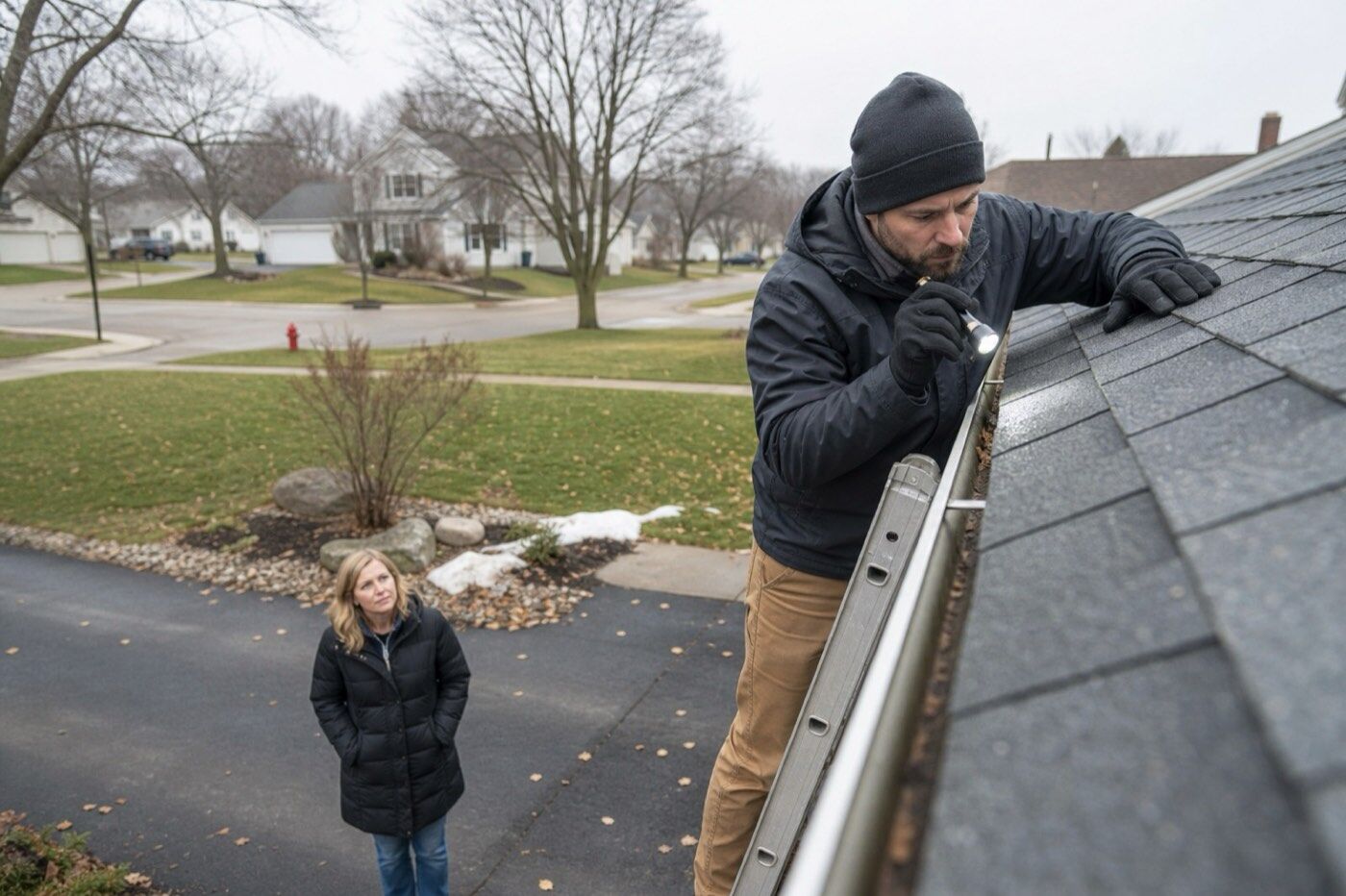
Start with what you can see. In winter, look at the underside of the roof deck and the nails poking through it. Frost, dampness or dark staining there often means moist air is getting trapped. Rusty nail tips and a musty or mildew smell point the same way.
Other clues show up outside and upstairs. Ice dams and heavy icicles at the eaves can mean the roof deck is too warm. A very hot attic on a summer afternoon, or a second floor that never cools down, can mean heat has no way out.
On a roof that has aged badly for its years, curled or cracked shingles can also be a hint. Keep in mind that a sign is not a diagnosis. Several problems can look alike, so treat any of these as a reason to take a closer look.
Intake and exhaust need to work together
A balanced system has two halves. Intake vents sit low, usually in the soffits under the eaves, and let cool outside air in. Exhaust vents sit high, near the ridge, and let warm air out. Air moves up the underside of the roof from one to the other.
Balance matters. A ridge with plenty of exhaust but little intake has nothing to pull in, so it may draw air from the wrong places, such as the house. A lot of intake with weak exhaust leaves air sitting in the attic. Mixing different kinds of exhaust vents on one roof can also short-circuit the airflow.
The most common problem is simple. Insulation gets pushed over the soffit openings, or paint or debris covers them, and the intake is blocked. From the ground, the vents may look fine while no air moves through them.
Why to ask a pro before adding vents
It is tempting to add a few more vents when an attic seems stuffy. Guesswork can backfire. A new vent in the wrong spot can upset the balance, pull conditioned air out of the house or let rain and snow in.
A local roofing pro can look at the intake, the exhaust, the insulation and the roof shape together. They can tell you whether the fix is clearing the soffits, adding baffles, changing the vents or sealing air leaks first. Ask them to show you what they find in the attic.
Want a local pro to take a look? Request a quote and add a photo. Quotes provided by our network of licensed, insured local contractors to get you top quality at a fair price.
Related service: Roof inspections in Rochester, MN. Browse the towns we cover or all roofing guides.