The short answer
Most roof leaks start at a weak point: failed flashing around chimneys, vents and skylights, damaged or missing shingles, or worn pipe boots. Ice dams and clogged gutters can also push water under the roof edge. To find one, check the attic with a flashlight during or after rain, tracing wet spots uphill.
On this page
Common causes of roof leaks
Roofs shed water by overlapping layers, so a leak almost always starts where those layers are broken or interrupted. The usual suspects are the places where something pokes through the roof or meets another surface.
Flashing is the thin metal that seals the joints around chimneys, skylights, vents and walls. Over the years it can rust, bend or pull loose, and the sealant along its edges can crack. This is one of the most common sources of leaks.
Shingles that are cracked, curled, lifted by wind or missing altogether leave the underlayment exposed. Minnesota storms, hail and big temperature swings all take a toll on them.
Pipe boots are the rubber collars that seal plumbing vents where they come through the roof. The rubber dries out and splits with age and sun, and water then runs down the pipe into the house.
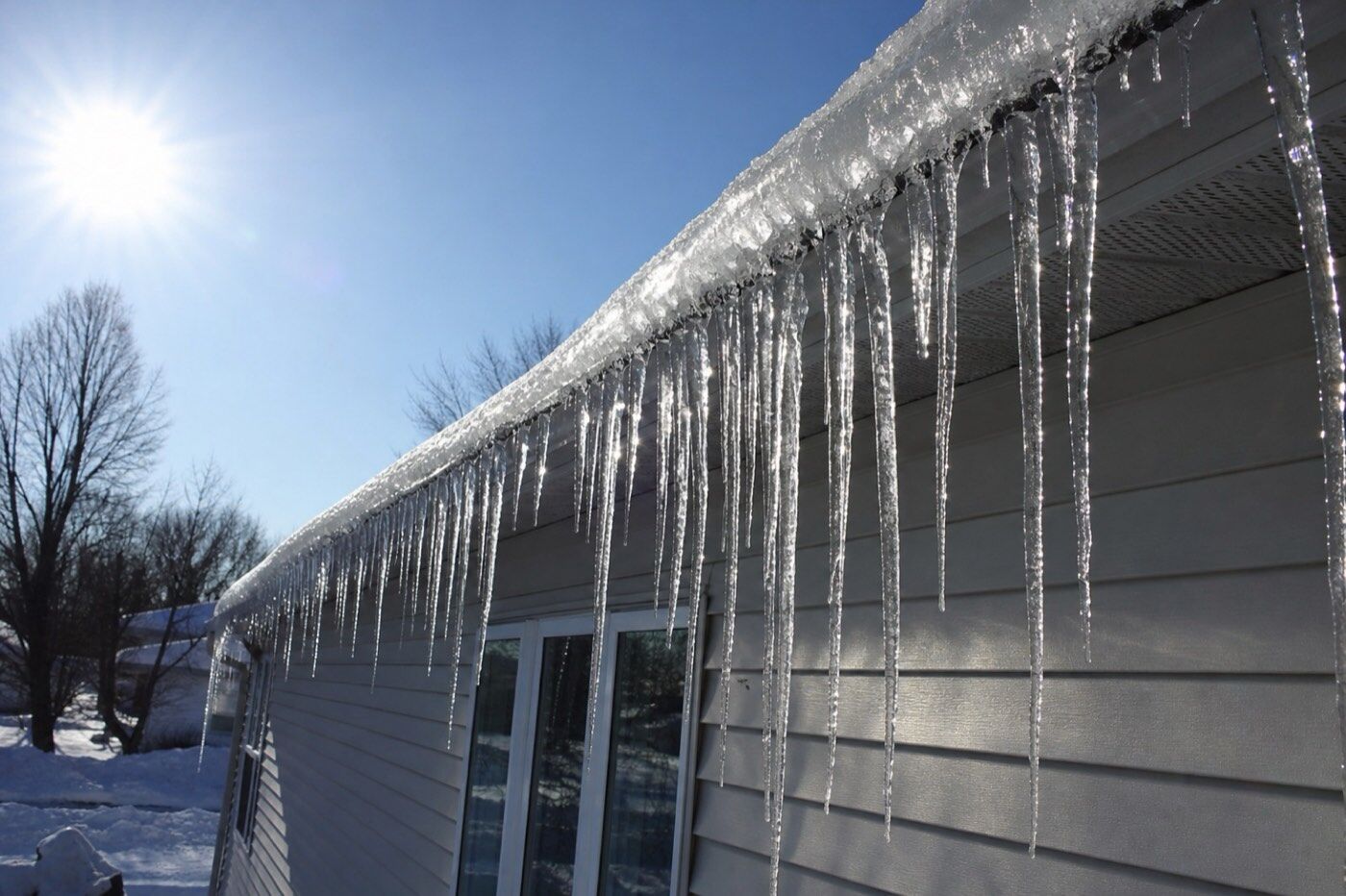
Ice dams and clogged gutters can cause leaks near the eaves. When water backs up behind ice or debris, it can slip under the lowest shingles and soak the roof deck.
Not every drip is a roof leak. In winter, warm moist air from the house can condense on cold roof boards in a poorly ventilated attic. The frost melts and drips, and it looks a lot like a leak. Damp insulation and rusty nail tips in the attic point to condensation rather than a hole.
Why the stain is not always below the hole
Water rarely drops straight down. It follows the roof slope, then runs along the underlayment, a rafter, a nail or a pipe until it finds a place to drip. The wet spot on your ceiling can sit several feet away from the actual opening, usually downhill from it.
That is why guessing from the stain alone often sends people to the wrong spot. Start at the stain, then work uphill and sideways. Look for the highest point where you can see moisture, stains or daylight, and check anything that penetrates the roof in that area.
How to look for a leak safely
Start inside, not on the roof. Stay off the roof. Wet shingles, steep slopes and ladders are a dangerous mix, and a fall is a far bigger problem than a leak.
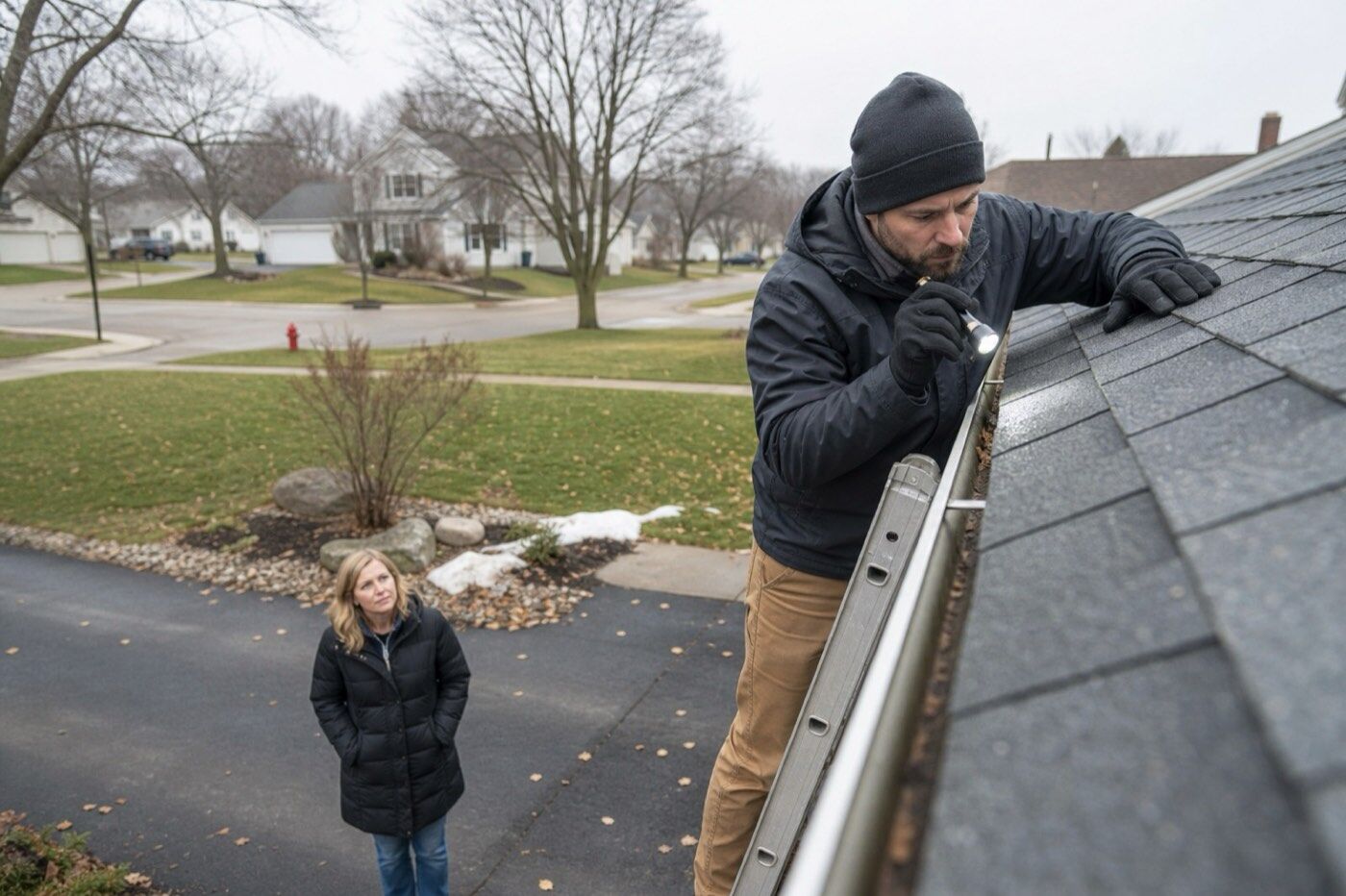
Go into the attic with a bright flashlight, ideally during a rain or soon after one. Look at the underside of the roof deck for dark stains, damp wood or dripping water. Check around chimneys, plumbing vents, skylights and exhaust fans first, since those are common trouble spots.
Touch the insulation carefully. Wet or matted patches show where water has been landing. If you see a drip, trace the wet line uphill along the rafter or deck to find where it begins. Marking the spot with chalk or a piece of tape helps a roofer locate it from outside later.
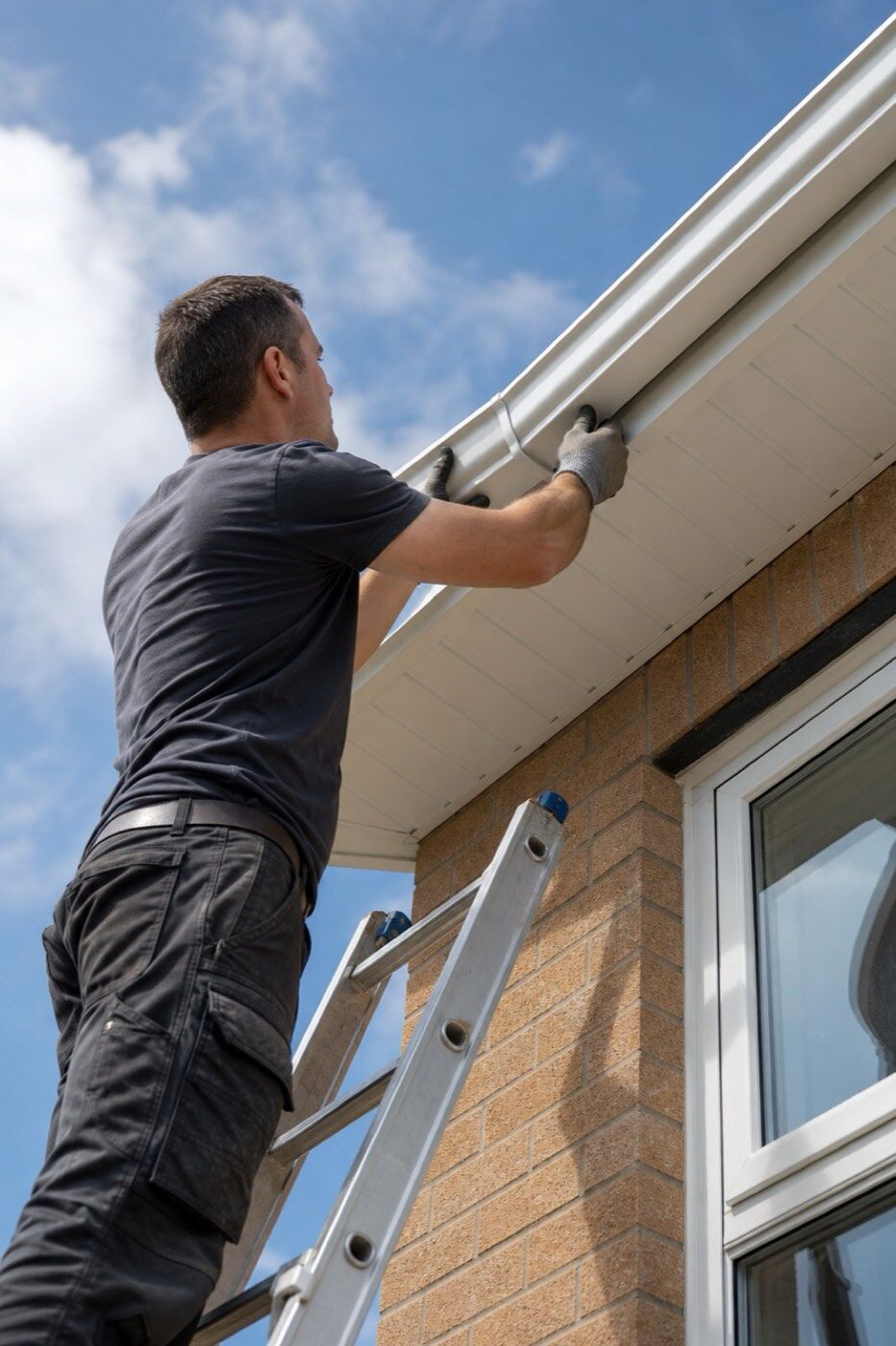
From the ground, binoculars let you scan for missing or lifted shingles, damaged flashing and debris in the gutters. If you cannot find anything, a local roofing pro can inspect the roof up close and test for the source.
What to do in the meantime
Move belongings out of the way and set a bucket under any drip. If a ceiling bulges with trapped water, stay out from under it, keep clear of any light fixtures and call a local roofing pro or a qualified contractor to deal with it safely.
Take photos of the stains and any damage with the date. They help a roofer and, if a storm caused the damage, an insurance conversation. Then call a local roofing pro to find the source and make the repair. A temporary tarp can slow the water, but it should be installed by someone trained to work on roofs.
Want a local pro to take a look? Request a quote and add a photo. Quotes provided by our network of licensed, insured local contractors to get you top quality at a fair price.
Related service: Roof repair in Rochester, MN. Browse the towns we cover or all roofing guides.