The short answer
A roof inspection is a careful look at the roof's surface, edges and attic to find damage, wear and leaks. The inspector checks shingles, flashing, vents and gutters outside, then the deck, insulation and ventilation inside. Afterward you usually get notes and photos that show what was found and what needs attention.
On this page
What the inspector checks outside
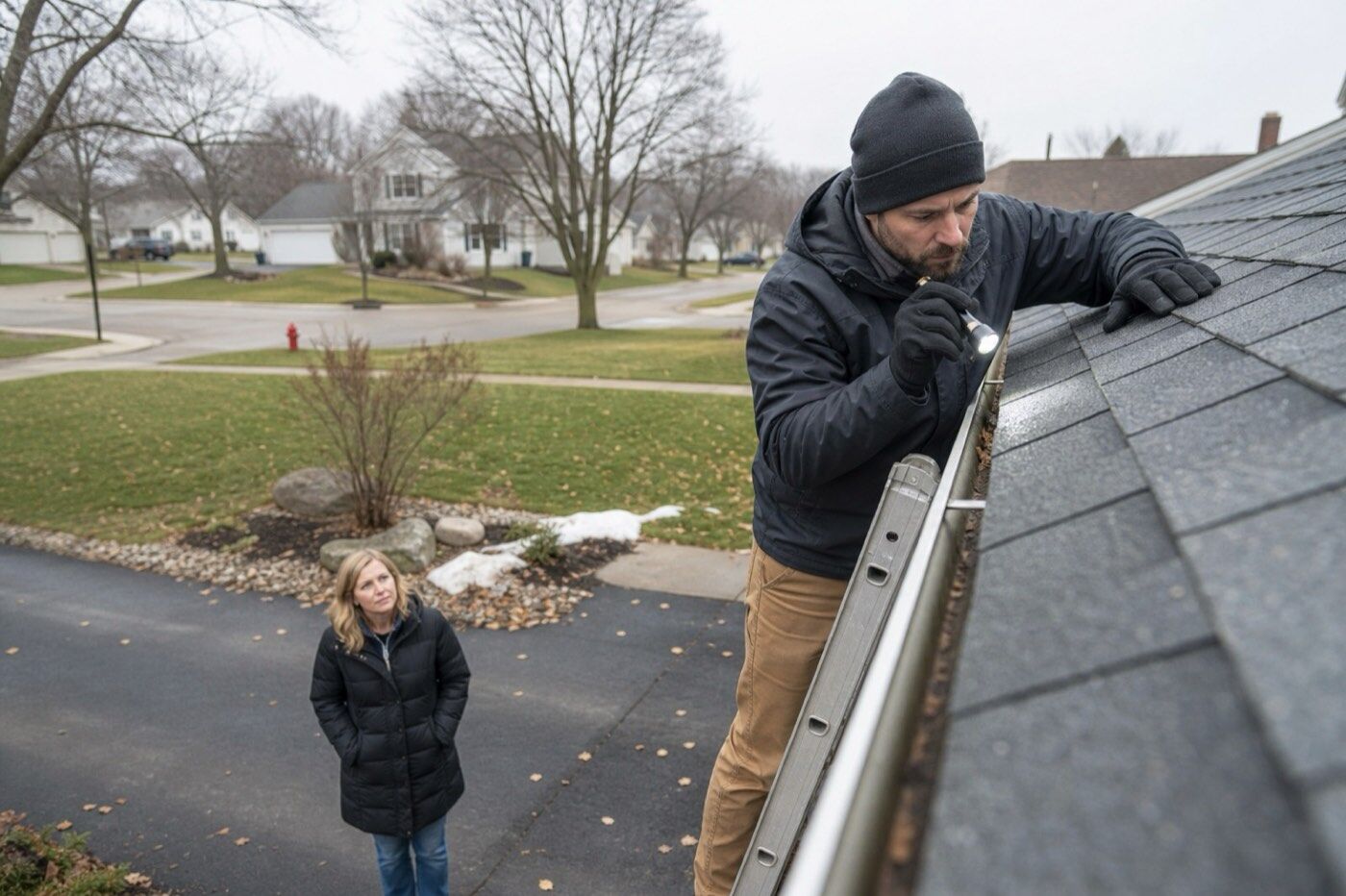
The inspector usually starts on the ground, looking over the whole roof and the house around it. Then they walk the roof, or look from a ladder or with a drone when the pitch or conditions make walking unsafe.
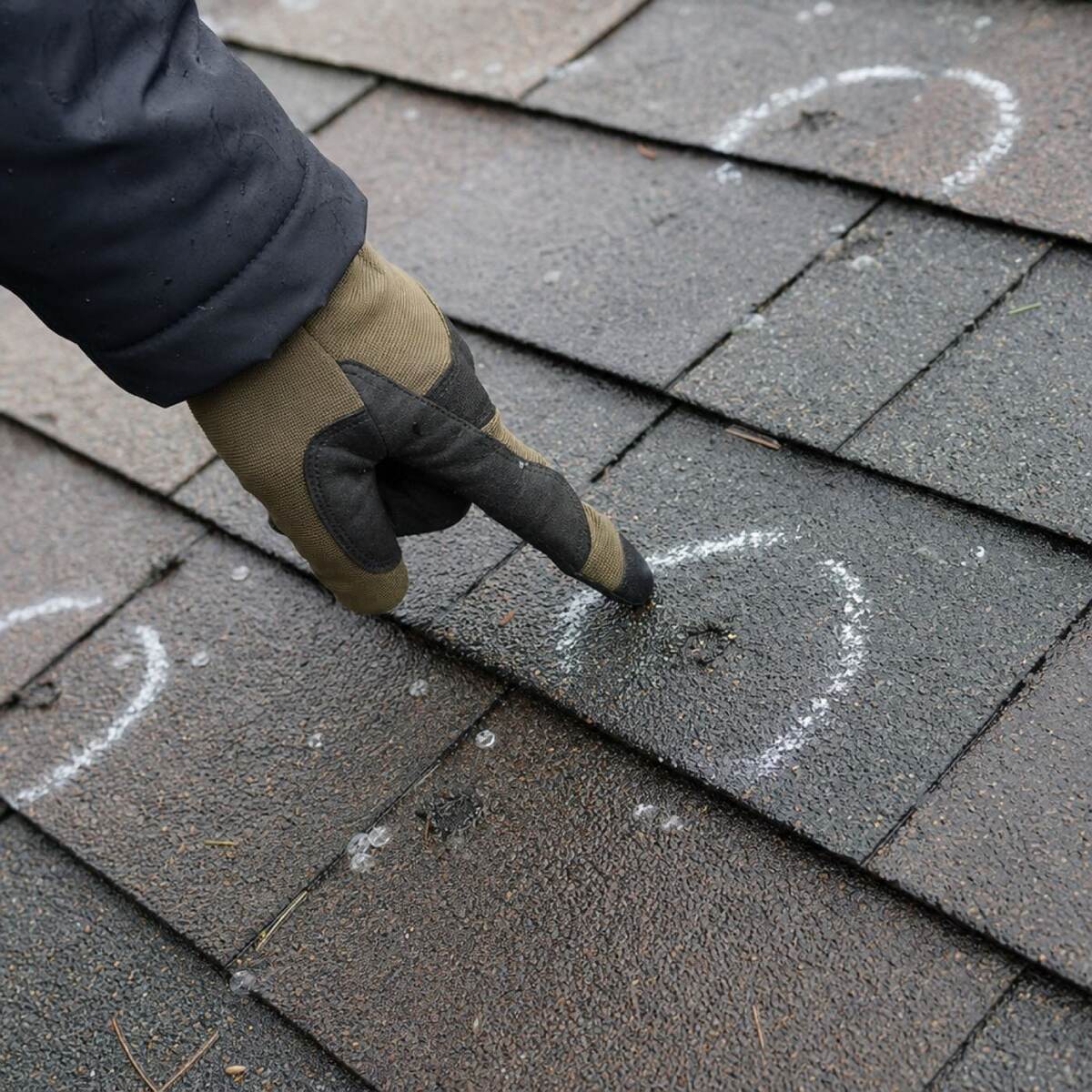
Shingles get the most attention. The inspector looks for cracked, curled, missing or lifted shingles, and for bare spots where granules have worn away. Granules are the gritty surface that protects the shingle from sun. A lot of them in the gutters or at the downspouts is a sign of wear. After a hailstorm, the inspector also looks for dents, bruises and fractured spots on the shingles and on soft metal such as vents.
Flashing is the metal that seals joints around chimneys, skylights, walls and valleys. It is a common place for leaks, so the inspector checks for gaps, rust, loose edges and dried-out sealant. Plumbing vents and roof vents get the same look, including the rubber boots around pipes that tend to crack with age.
Last, the inspector checks the gutters, the fascia and the edges of the roof. Loose gutters, clogged channels and soft or stained trim can point to water that is not draining the way it should.

What the inspector checks inside
A good inspection includes the attic whenever it can be reached. From inside, the inspector looks at the underside of the roof deck for dark stains, damp spots, daylight where there should be none and boards that look warped or soft.
Ventilation matters because a hot, damp attic wears out a roof from below. The inspector checks that air can flow in at the eaves and out near the ridge, and that insulation is not blocking the intake openings. They also look at the insulation itself for matting, wet patches and gaps.
Ceilings and upper walls inside the living space can show trouble too. Brown rings, peeling paint and bubbling drywall may mean a slow leak that has not reached the surface yet. Pointing these out to the inspector helps them know where to look.
What you get afterward
Ask what the inspection will produce before it starts. Many roofing pros send photos with short notes, so you can see each problem and where it is on the roof. Others give a written summary or walk you through what they found.
A useful report separates what needs attention soon from what can be watched over time. It should name the problem plainly, show where it is and suggest a next step, whether that is a small repair, more testing or a longer-term plan for the roof. Keep the photos and notes. They help if you file an insurance claim, compare repair options or sell the home later.
The report is not a contract, and you are not obliged to act on it. If something in it surprises you, ask the inspector to show you the spot, or get a second opinion.
When to schedule a roof inspection
Several moments are worth an inspection. After a major storm, especially one with hail or high wind, a roof can be damaged in ways you cannot see from the ground. Early checks make it easier to document the damage and to address small problems before they let water in.
Before buying or selling a home, an inspection tells you the condition of the roof instead of leaving it to guesswork. Buyers can use it when weighing an offer, and sellers can use it to answer questions early.
An aging roof deserves a regular look too. Once a roof is well into its expected lifespan, small problems add up faster. A yearly check, often in spring or fall, helps catch wear before it turns into a leak. Also schedule one whenever you notice stains, missing shingles or granules collecting in the gutters.
Want a local pro to take a look? Request a quote and add a photo. Quotes provided by our network of licensed, insured local contractors to get you top quality at a fair price.
Related service: Roof inspections in Rochester, MN. Browse the towns we cover or all roofing guides.