The short answer
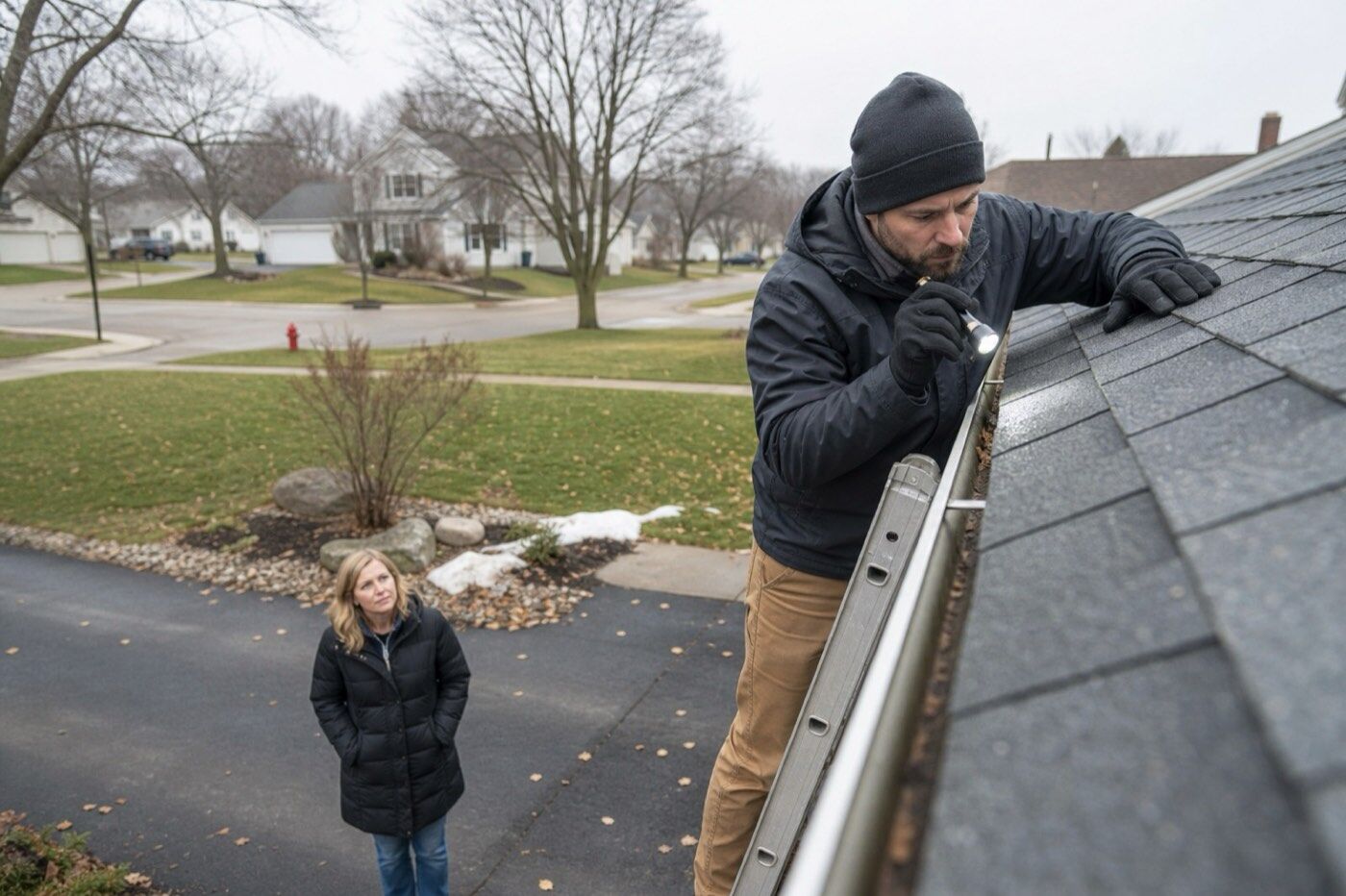
Yes, a roof can often be replaced in winter in Minnesota, as long as the crew works on suitable days. Cold makes shingles stiff and slows the sealing that holds them down, so careful roofers take extra steps. Some work may wait for milder weather, but an active leak should still get at least a temporary repair.
On this page
Why winter changes the job
Asphalt shingles have a strip of sealant along each course. The sealant is activated by warmth from the sun and the day. It bonds the shingle to the one below and helps hold it against wind. In cold weather that bond forms slowly, and sometimes it does not form at all until the weather warms up.
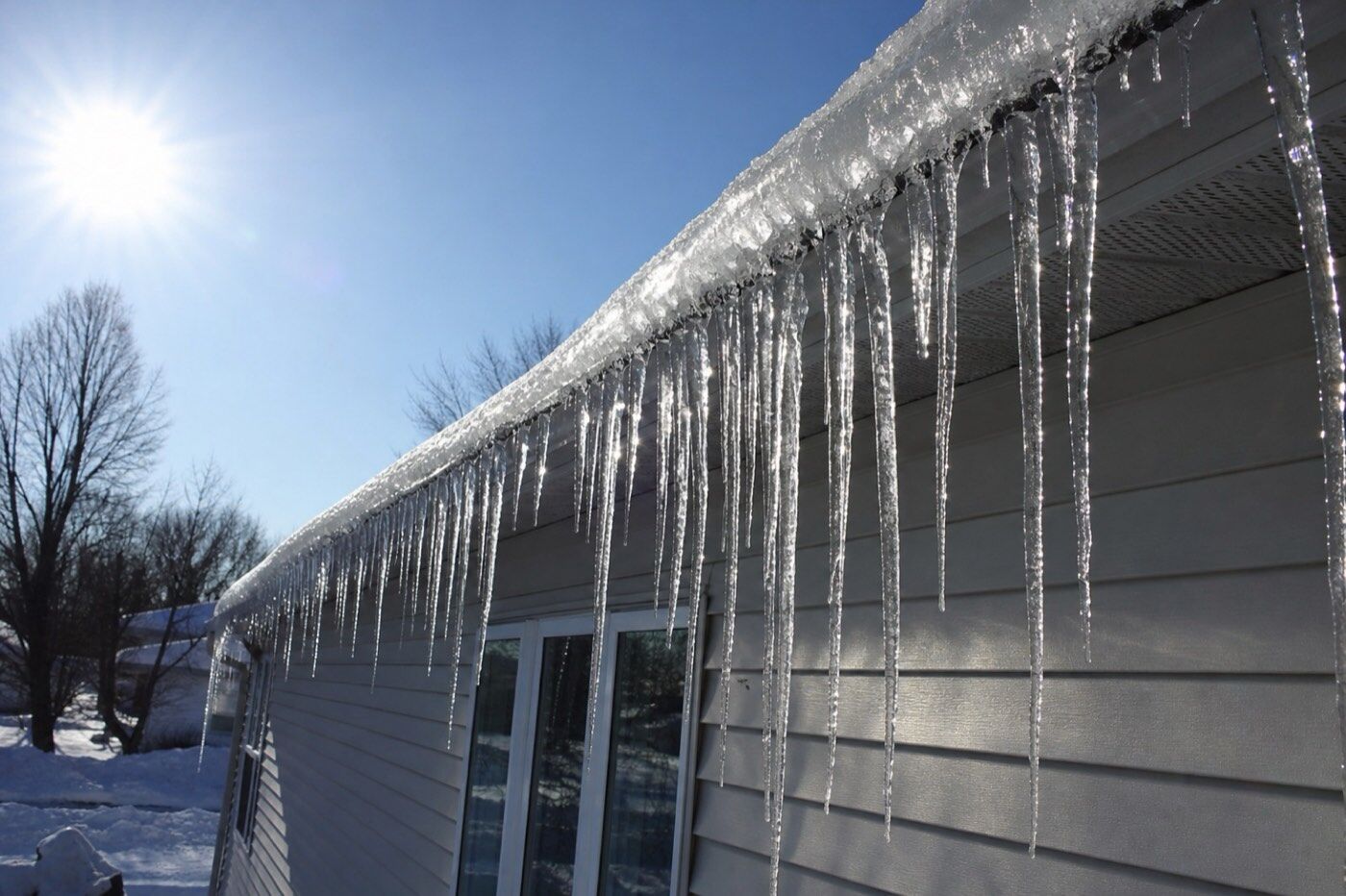
Cold also makes materials less forgiving. Shingles can turn brittle and crack when they are bent or nailed. Underlayment and flashing are harder to handle with stiff fingers and gloves. Any snow or ice on the roof deck has to be cleared first, because shingles should go on a clean, dry surface.
Short days limit how much work fits into a shift, and a slick roof raises the risk of a fall. A good crew treats safety as part of the schedule, not as something to rush.
How roofing pros adapt to cold weather
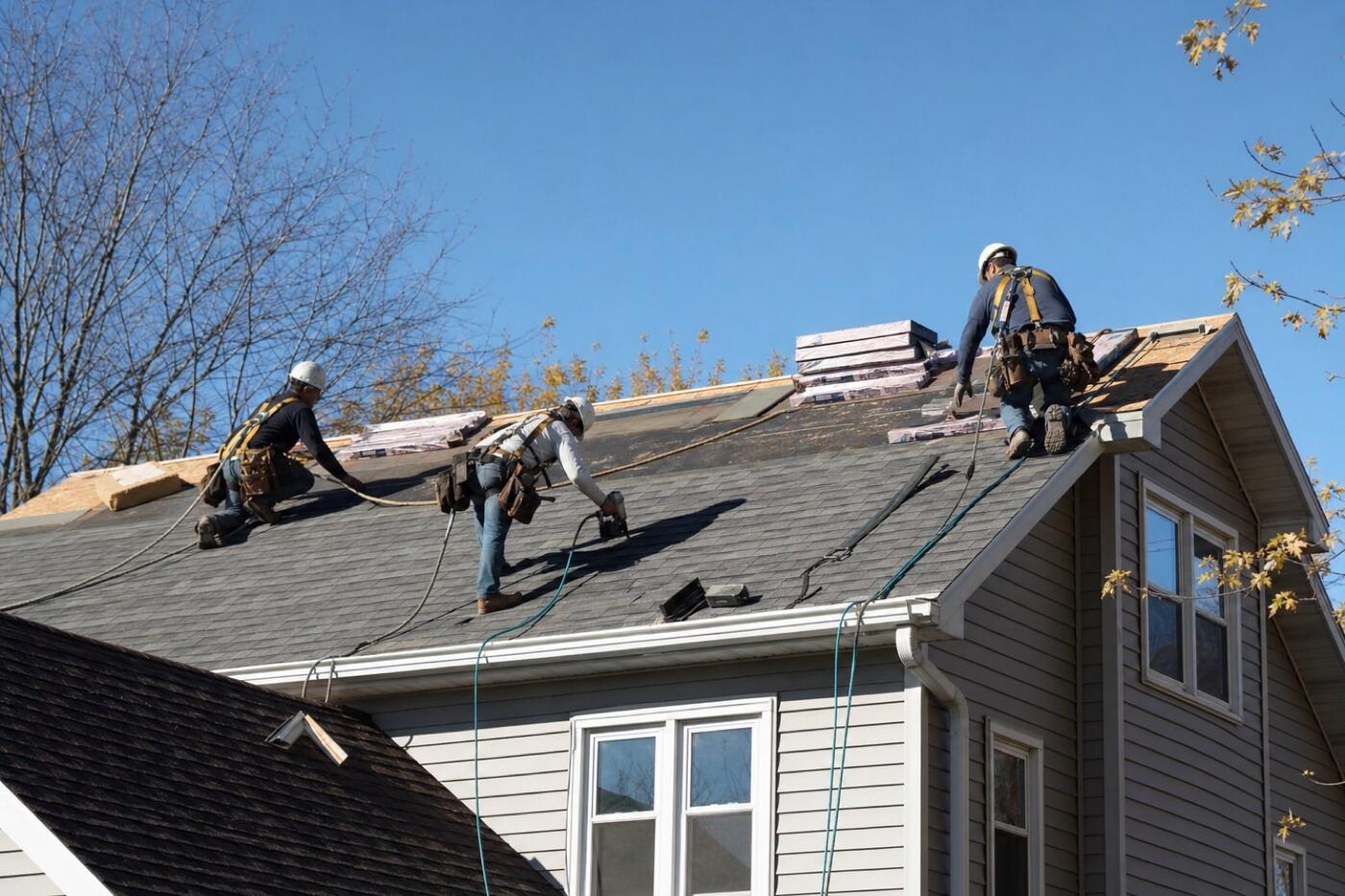
A local roofing pro will usually pick the milder, calmer days in a cold stretch and skip days with high wind, ice or heavy snowfall. Starting later in the morning, once the sun has warmed the roof, can help the sealant strips begin to bond.
Materials are often stored somewhere warm and brought up in small batches, so shingles stay flexible while they are installed. Roofers also handle each shingle more gently and take care not to drive nails too hard.
Where the sealant strip has not sealed, manufacturers commonly allow hand-sealing with roofing cement on the shingle tabs. Ask the roofer to follow the manufacturer's installation instructions for cold weather. Those instructions are the standard to hold the work to.
Finally, the crew should clear the deck of snow and ice, keep the work area tidy and close up the roof at the end of each day. That way an unexpected storm does not find an open section.
When waiting makes sense, and when it does not
If the roof is not leaking and the shingles are simply getting old, waiting for milder weather may be reasonable. Spring and fall give shingles better conditions to seal, and scheduling is often easier. A planned job on a dry, mild day is usually the smoother path.
An active leak is different. Water in the attic can soak insulation, stain ceilings and lead to mold. If the roof is letting water in, ask a local roofing pro about a temporary repair, such as a tarp or a patch, to hold things until a full replacement can be done well.
Storm damage also deserves a prompt look. Even when the full job waits, documenting the damage and protecting the home are worth doing right away.
Questions to ask before you schedule a winter job
Ask how the roofer handles cold-weather sealing and whether they follow the shingle manufacturer's instructions. Ask what happens if the forecast turns and how the roof will be protected overnight. Ask who clears the snow and ice before work begins.
A clear answer to each question is a good sign. Vague answers are a reason to keep looking, or to wait for better weather.
Want a local pro to take a look? Request a quote and add a photo. Quotes provided by our network of licensed, insured local contractors to get you top quality at a fair price.
Related service: Roof replacement in Rochester, MN. Browse the towns we cover or all roofing guides.