The short answer
It depends on your budget, how long you plan to stay, how much snow and hail your roof sees, and the look you want. Asphalt shingles generally cost less upfront and are easy to repair. Metal generally costs more upfront but typically lasts longer and sheds snow well. A local roofing pro can compare both for your home.
On this page
The case for asphalt shingles
Asphalt shingles are the most common roof covering on homes in this part of the country, and for good reasons. They generally cost less upfront than metal, so they suit homeowners watching the budget or planning to sell in the near term.
They are also widely available. Nearly every roofing pro knows how to install them, and the materials are easy to find in many styles and colors.
Repairs are usually straightforward. If wind lifts a few shingles or a branch damages a small area, a roofer can often swap out the affected pieces without touching the rest of the roof.
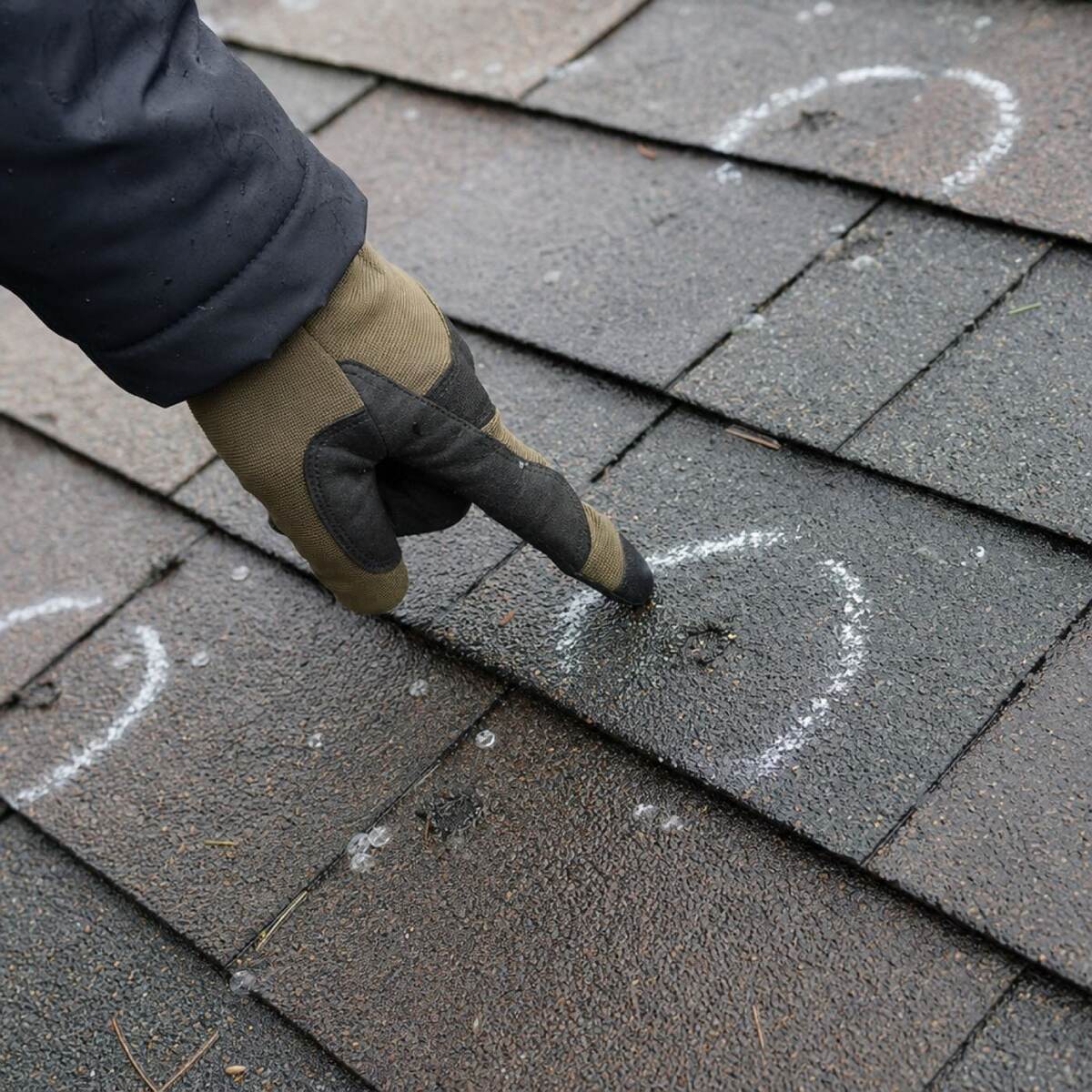
Hail is the usual worry in Minnesota. Standard shingles can bruise or lose granules in a hailstorm, but impact-resistant shingles are made to hold up better. If hail is a regular concern where you live, ask about those options.
The case for metal roofing
Metal roofing generally costs more upfront. In return, it typically lasts longer than asphalt, which can matter if you plan to stay in the house for a long time and want to avoid another replacement.
Metal sheds snow well. The smooth surface lets snow slide off instead of piling up. That same sliding snow is a drawback to plan for. A load of snow and ice can drop suddenly onto walkways, steps, driveways and anything below. Snow guards or careful panel layout can help, so ask about them if the roof sits above an entry.
Metal can dent in hail. Some panels and finishes resist dents better than others, and a dent may be only cosmetic, but it can still change how the roof looks. If hail is your main concern, ask how the specific product handles it.
Looks matter too. Metal gives a clean, modern or traditional standing-seam look, while shingles give a softer, textured one.
What matters for either material
The roof covering is only part of the system. A great material installed poorly will still leak.
Underlayment is the layer under the shingles or panels. It adds a second line of defense against wind-driven rain and meltwater. In cold climates, ask about an ice and water layer along the eaves and in valleys.
Ventilation keeps the attic close to the outdoor temperature. That helps limit ice dams in winter and heat buildup in summer, and it protects the roof deck from moisture. Intake at the eaves and exhaust near the ridge should work together.
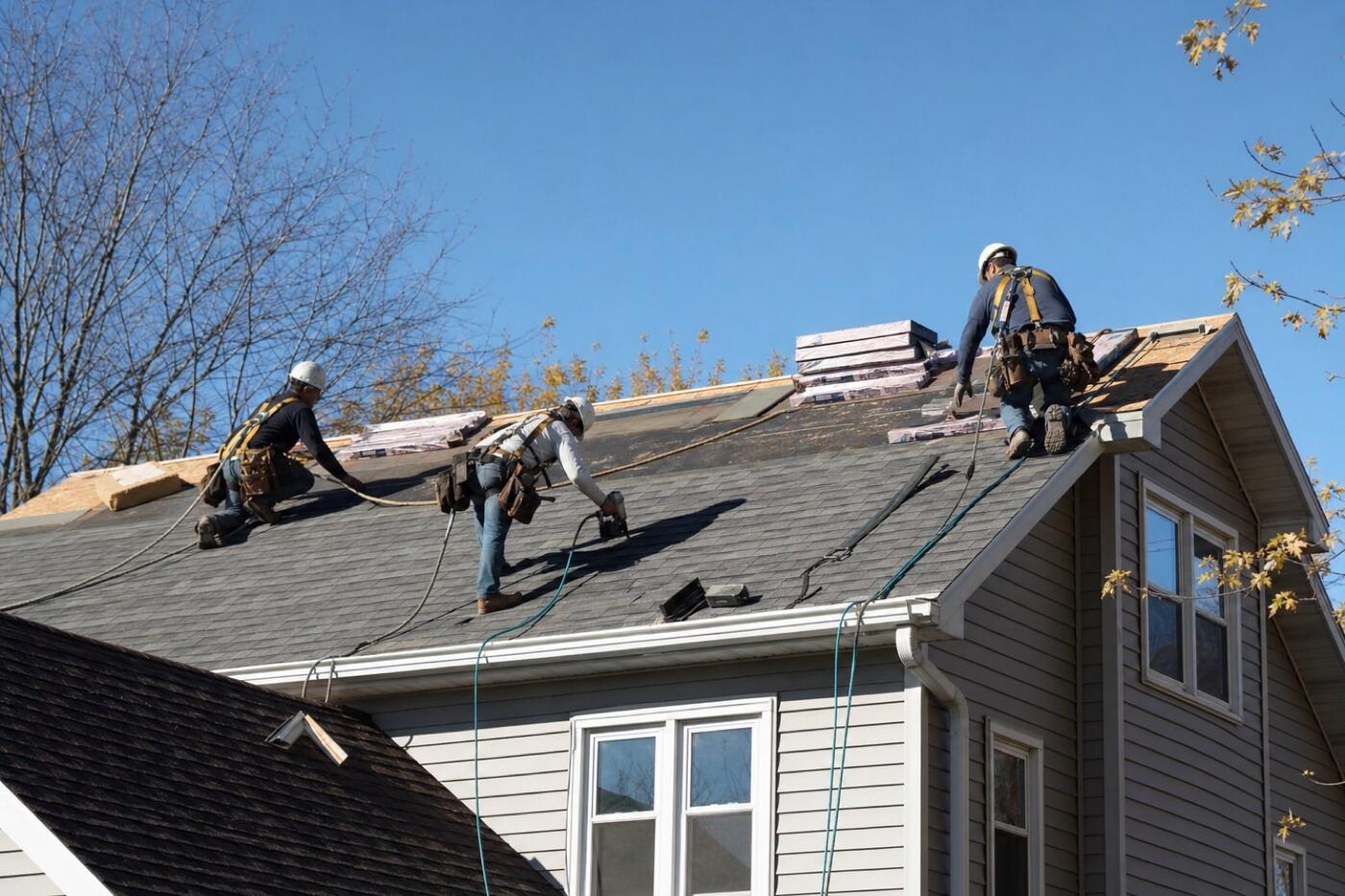
Installation quality may matter most of all. Flashing around chimneys, vents and walls, correct fastening and clean detail work are what keep water out. Metal in particular calls for crews who have installed it before, since the techniques differ from shingles.
Questions to ask a roofing pro
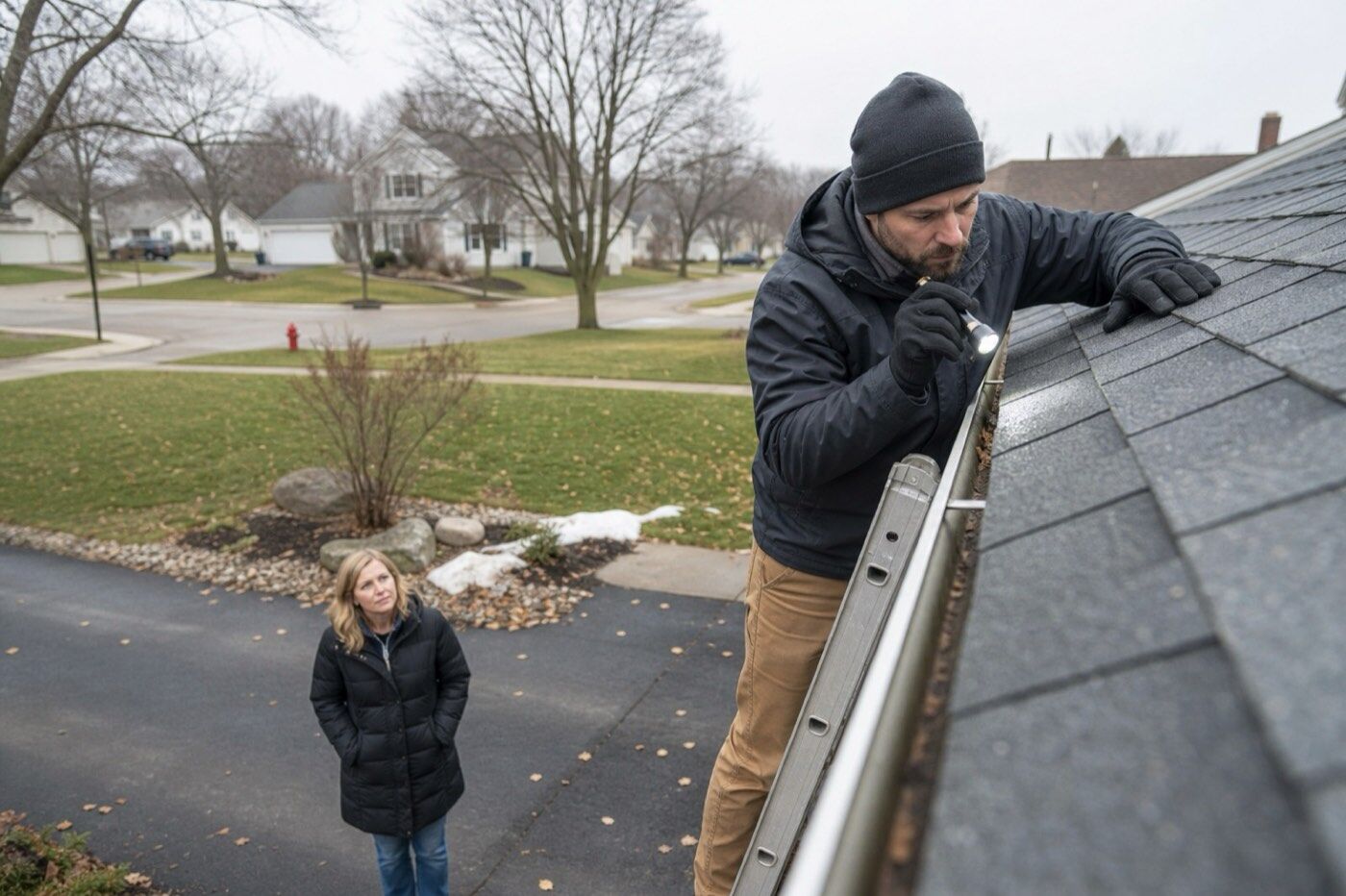
Whichever way you lean, get the facts for your own roof. Ask whether the structure and deck are in good shape for each material, and what the roofer has installed most often.
Ask how the job handles underlayment, flashing and ventilation, and what happens if rotted decking turns up once the old roof comes off. Ask how snow sliding off a metal roof would be managed near doors and walkways.
Finally, ask for each option in writing, itemized the same way, so you can compare like with like. Check with your insurance company too, since some policies treat roof materials differently.
Want a local pro to take a look? Request a quote and add a photo. Quotes provided by our network of licensed, insured local contractors to get you top quality at a fair price.
Related service: Roof replacement in Rochester, MN. Browse the towns we cover or all roofing guides.